
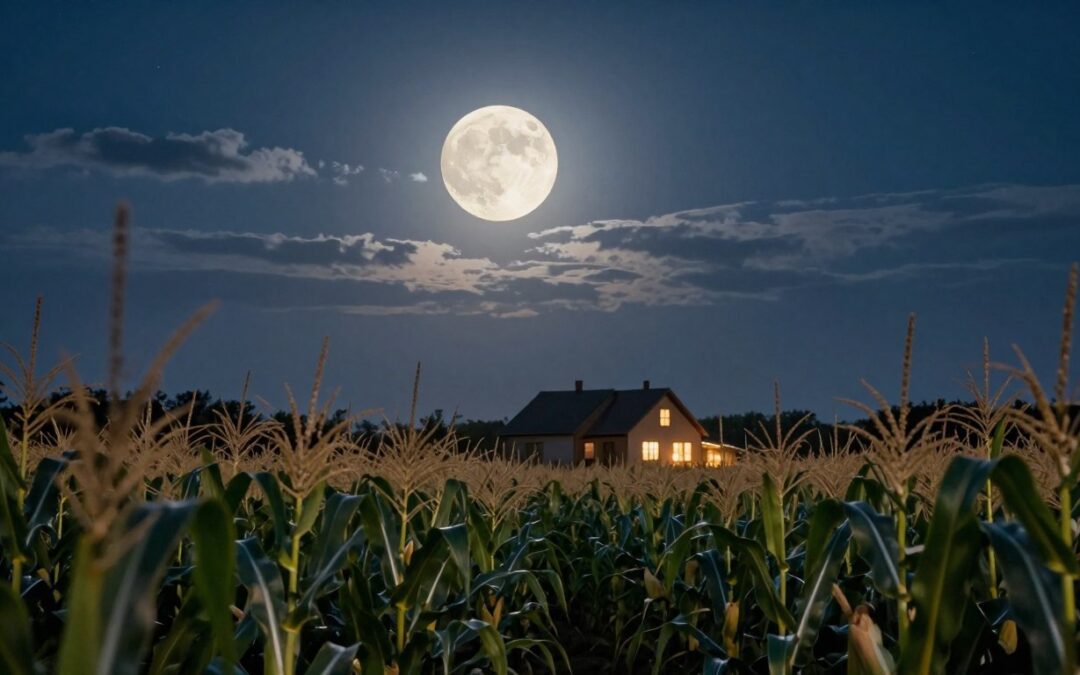
Have you ever looked up at the glowing September sky and felt a sudden urge to let go? This month, we prepare for a special celestial event. It illuminates our paths and hearts.
The upcoming lunar cycle on September 7th invites us to explore the corn moon meaning. The stars align in the dreamy sign of Pisces. This period is not just about the harvest in the fields. It’s also about the harvest we find within our souls.
Historically, many cultures gathered their staple crops under this bright, constant light. We now use this time for reflection. It’s a moment to reconnect with our inner wisdom and listen to our intuition.
Truly understanding what is the meaning of the corn moon helps us embrace a season of release. By tuning into these intuitive energies, we can clear the old clutter. This makes way for new, vibrant growth in our daily lives.
Key Takeaways
- The event occurs on September 7th within the intuitive sign of Pisces.
- It traditionally marks the time for harvesting corn and other staple crops.
- The lunar energy focuses on spiritual release and letting go of the past.
- We use this period to reconnect with our deep, inner wisdom.
- It serves as a powerful time for reflection and quiet meditation.
- This moon bridges the gap between agricultural cycles and personal growth.
Overview of the Corn Moon
The Corn Moon is a name given by Indigenous American tribes. It marks a key time in the farming year. This lunar event is linked to the harvest of corn and other main crops. It’s a time for both physical and spiritual nourishment for communities.
Definition of the Corn Moon
The “Corn Moon” is the full moon in September or early October. It’s a big deal for many cultures, mainly those with strong farming traditions.
Historical Significance
The Corn Moon was very important for Indigenous American tribes and early settlers. It was a time of harvest and getting ready for winter. It showed gratitude and the cycle of life.
During the Corn Moon, people came together to gather crops. This showed its big role in farming and culture.
Comparison with Other Lunar Phenomena
Looking at the Corn Moon and other lunar events, like the Harvest Moon, shows its special traits. Both happen during harvest time, but the Corn Moon is all about corn. Here’s a table that shows the differences and similarities.
| Lunar Phenomenon | Timing | Agricultural Significance |
|---|---|---|
| Corn Moon | Typically in September or October | Harvesting of corn and other staple crops |
| Harvest Moon | Full moon closest to the autumnal equinox | General harvest season, not specific to corn |
The significance of the Corn Moon is its role as a harvest sign and its cultural value. Knowing about its definition, history, and comparison with other lunar events helps us appreciate it more. It shows its symbolism in farming communities.
Origins of the Name “Corn Moon”
The ‘Corn Moon’ name shows the importance of corn in Native American culture. It marks the time for harvesting. This highlights the community’s bond with the land.
This name is linked to the harvest, a key time for these communities.
Cultural Influences
The “Corn Moon” is more than a lunar event. It shows corn’s role in Native American life. Corn was key for food and spiritual practices. The full moon during harvest became a key marker for planning.
Native American traditions celebrate the “Corn Moon.” They hold ceremonies to thank for the harvest. This strengthens community bonds and spiritual ties.
Native American Traditions
Native American traditions shaped the “Corn Moon” celebrations. Each tribe had its own way of observing this event. It was tied to their farming and cultural rituals.
Agricultural Significance
The “Corn Moon” is tied to the farming cycle. It signals the time to harvest corn. This lunar event helps farmers plan their harvests.
As noted in an article on the Economic Times, the “Corn Moon” is vital for agricultural planning.
In summary, the “Corn Moon” name shows the deep connection between Native American communities and farming. It’s a cultural and agricultural event that’s celebrated today.
When Does the Corn Moon Occur?
The Corn Moon happens in September. It’s linked to the harvest season, mainly in farming areas.
Monthly Timing
The Corn Moon falls in September. This is when many crops are ready to be picked. It marks the start of the harvest in the Northern Hemisphere.
Variability in Dates
The Corn Moon’s date can change from year to year. Sometimes, it’s the Harvest Moon if it’s near the autumnal equinox. This change comes from the lunar cycle and the solar calendar.
- The lunar cycle lasts about 29.5 days. This means the full moon’s date changes each year.
- The Corn Moon’s timing can be affected by lunar eclipses. But not all Corn Moons have eclipses.
- Farming communities plan their harvests around the Corn Moon. Its timing is key for them.
Time Zones and Viewing
The Corn Moon’s viewing time varies by time zone. People in different zones see it at different times. But the full moon moment is the same everywhere.
- Check local time zones for the best viewing time.
- Look for a spot with little light pollution for a better view.
- Use binoculars or a telescope to see more.
Knowing when and how the Corn Moon changes helps us value its cultural and farming importance. For more on the Corn Moon, visit this article. It offers deep insights into its meaning, dates, and rituals.
The Science Behind the Corn Moon
The Corn Moon is a complex topic that includes lunar phases, farming, and cultural beliefs. It’s not just a full moon but a deep-rooted tradition and natural phenomenon.
The Corn Moon happens in September, when the moon is fully lit by the sun. This lunar phase is important for its light and spiritual and farming meanings. The full moon in Pisces, where the Corn Moon often falls, is linked to spiritual connection, release, and intuition. It’s a time for reflection and reconnecting with our inner wisdom.
Lunar Phases Explained
Lunar phases come from the moon’s orbit around Earth, showing different parts of the moon’s light. The full moon, like the Corn Moon, is when the moon is opposite the sun, making it visible all night.
The moon’s cycle has guided farming for ages. Many farmers use the moon’s phases to plan planting and harvesting. They believe the moon’s cycles help plants grow.
Effects of Moonlight on Agriculture
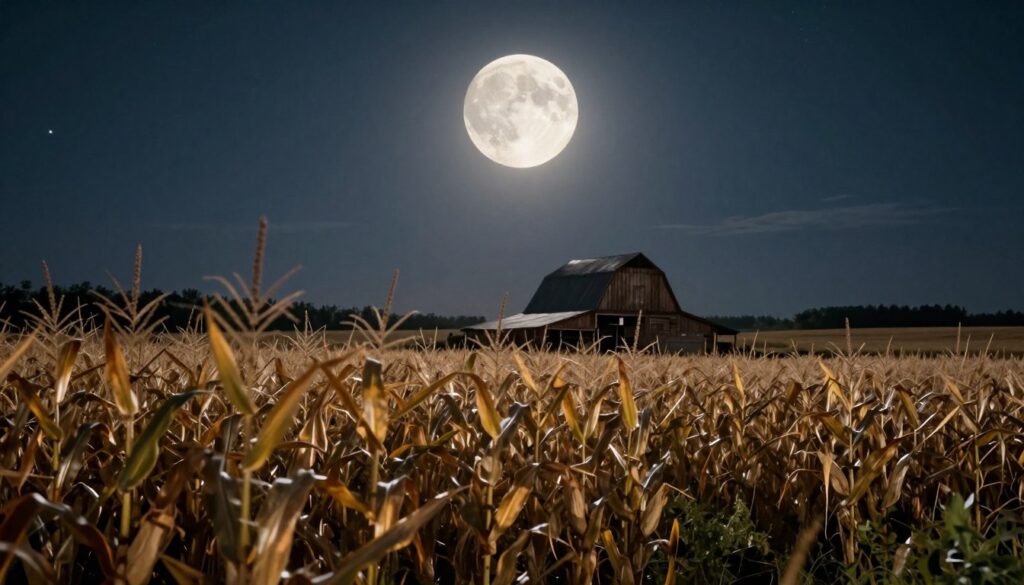
Moonlight can affect farming in various ways. Some studies show that the moon’s light can help certain crops grow. For example, the moon’s brightness can keep pests away from crops at night.
The Corn Moon’s timing in late summer to early fall is key for farmers. The moon’s light helps with nighttime harvesting.
| Lunar Phase | Agricultural Activity | Spiritual Significance |
|---|---|---|
| Full Moon (Corn Moon) | Harvesting, nighttime agricultural activities | Spiritual connection, release, intuition |
| New Moon | Planting, planning | New beginnings, setting intentions |
For more on lunar cycles and gardening, check out New Moon Readings for Gardening. It talks about how lunar cycles and farming go together.
Myths and Misconceptions
Many myths surround the Corn Moon and its effects on farming and people. Some think the full moon changes human behavior, but there’s little science to back it up. Yet, the Corn Moon’s cultural and spiritual importance is clear.
“The full moon is a time of celebration, a time to come together and give thanks for the harvest. It’s a moment of connection with nature and with each other.”
In conclusion, the Corn Moon is a complex event that connects science, farming, and spirituality. Understanding it helps us appreciate its significance in our lives.
Celebrating the Corn Moon
Celebrating the Corn Moon is a cherished tradition. It honors the harvest season and the bonds in our communities. It’s a time to come together and appreciate the earth’s bounty and the hard work that brings it.
The Corn Moon is celebrated with festivals and events. These reflect the rich cultural heritage of the harvest season. Music, dance, and feasting fill these events, creating a vibrant atmosphere of gratitude and community.
Festivals and Events
Communities across the United States host festivals for the Corn Moon. Many Native American communities have traditional dances and ceremonies. Others hold harvest fairs with local produce, crafts, and entertainment. These events celebrate the harvest and remind us of our connection to the land and each other.
Some notable events include:
- Harvest festivals with traditional foods and music
- Community gatherings for stargazing and moon viewing
- Cultural ceremonies to honor the land and the harvest
Activities to Honor the Corn Moon
There are many ways to honor the Corn Moon. We can make corn-themed crafts, cook seasonal meals, or simply enjoy the full moon’s beauty. These activities help us connect with the Corn Moon.
For a deeper connection, activities might include:
- Creating a gratitude journal to reflect on the harvest’s bounty
- Organizing a community potluck with dishes made from seasonal ingredients
- Engaging in moonlit walks or meditation under the full moon
Community Gatherings
Community gatherings are at the heart of Corn Moon celebrations. These events foster unity and belonging. People come together to share in the joy and gratitude of the season.
As we celebrate the Corn Moon, we remember the importance of community. For more insights into the Corn Moon and its cultural significance, explore this article on the September full moon.
The Corn Moon in Popular Culture
The Corn Moon has a big impact on popular culture. It shows themes of harvest and gratitude. It’s seen in literature, art, and music, symbolizing abundance and life’s cycle.
References in Literature
The Corn Moon is key in literature, symbolizing the seasons and harvest. Authors use it to bring a sense of nostalgia and nature’s connection. For example, in American literature, it highlights the harvest’s richness and agricultural heritage. You can learn more at The Fact Site.
In literature, the Corn Moon stands for abundance and gratitude. It’s seen as a time for celebration and looking back on the harvest. This shows its deep cultural meaning, tied to farming traditions.
Depictions in Art and Music
The Corn Moon is also a favorite in art and music. Artists and musicians find inspiration in its symbolism. In art, it’s often a bright full moon with harvest scenes. This reinforces its connection to gratitude and life’s cycle.
In music, the Corn Moon is mentioned in many genres. It’s a metaphor for the seasons and time’s passage. It brings a sense of nostalgia and a bond with nature.
Modern Media Portrayals
In today’s media, the Corn Moon remains a significant symbol. It appears in films, TV, and more, representing harvest and agricultural heritage.
| Media Type | Representation of Corn Moon | Cultural Significance |
|---|---|---|
| Literature | Symbolism of abundance and harvest | Reflection of cultural heritage and agricultural traditions |
| Art | Depictions of the full moon with harvest imagery | Reinforces themes of gratitude and the cycle of life |
| Music | Metaphor for changing seasons and passage of time | Evokes nostalgia and connection to nature |
The Corn Moon’s role in popular culture shows its lasting importance. It connects us to nature and farming traditions.
Astrological Significance of the Corn Moon
The Corn Moon is special in astrology. It’s a time for spiritual growth and looking inward. It deeply affects our spiritual paths and personal growth.
Zodiac Influence
The Corn Moon’s effect changes with the zodiac sign it’s in. In Pisces, it’s linked to spiritual growth, intuition, and release. This makes us more aware of our emotions and connects us to our inner selves. For more on how the full moon affects us, check out horoscope forecasts.
Rituals and Practices
During the Corn Moon, we can do rituals to deepen its meaning. These include meditation, journaling, and ceremonies. These activities help us connect with the moon’s energy, leading to personal growth.
Some common practices during the Corn Moon include:
- Meditation under the moonlight
- Releasing negative energies through rituals
- Setting intentions for personal growth
Impact on Personal Growth
The Corn Moon also impacts our personal growth. It’s a time to look back on our achievements and challenges. The moon’s energy helps us move forward.
| Aspect | Description | Benefit |
|---|---|---|
| Spiritual Growth | Enhanced intuition and emotional awareness | Deeper self-understanding |
| Personal Reflection | Opportunity to assess life’s journey | Clarity on life’s path |
| Release and Letting Go | Releasing negative energies and patterns | Emotional liberation |
Botanical Aspects of the Corn Moon
The Corn Moon is a full moon with deep roots in farming. It plays a key role in the agricultural cycle. Let’s dive into its botanical significance.
Crop Cycles and Harvest
The Corn Moon marks the end of the growing season. It’s when crops like corn are ready to be picked. This full moon usually happens in late summer or early fall.
Farmers use the full moon to know when to harvest. The bright moonlight helps them work at night, avoiding the heat.
| Crop | Typical Harvest Time | Influence of Corn Moon |
|---|---|---|
| Corn | Late Summer | Primary harvest period |
| Soybeans | Early Fall | Often harvested around this time |
| Other Vegetables | Varies | Some crops benefit from moonlight |
Best Practices for Planting
The Corn Moon is not just for harvesting. It also guides planting schedules. By syncing planting with the lunar cycle, farmers can boost yields.
Planting in harmony with the moon can help crops grow stronger. For instance, planting root vegetables during the waning moon aids in root growth.
Interconnection with Seasonal Changes
The Corn Moon is tied to the shift from summer to fall. This change impacts crops and the whole ecosystem.
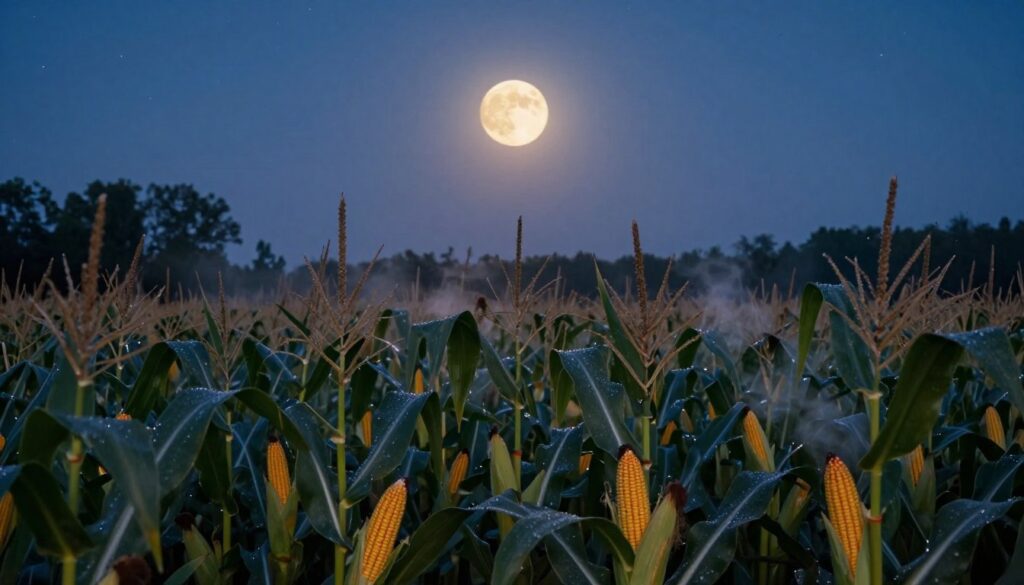
The Corn Moon’s rise honors farmers’ hard work. It’s a time for communities to celebrate the harvest. It shows how lunar cycles, farming, and seasons are connected.
Environmental Impact of the Corn Moon
The Corn Moon has a big impact on our environment. It shows how the moon, nature, and human actions are connected.
The Corn Moon’s effects on our world are complex. It involves its timing, brightness, and the traditions it sparks. Knowing this helps us see the significance of corn moon beyond its cultural value.
Influence on Ecosystems
The Corn Moon changes ecosystems in many ways. Its bright light can change how nocturnal animals behave. It also affects when farmers plant and harvest, impacting the land around farms.
For example, the full moon’s light can make deer more active at night. This can change how plants grow and affect the balance of nature.
Wildlife Behavior
The Corn Moon’s light changes how animals behave. Many animals move more during the full moon. This can change how they eat, migrate, and even have babies.
Sea turtles, for instance, nest during the full moon. They use the high tides to lay eggs on beaches. The Corn Moon also affects pests and predators, which can impact crops.
Climate and Agricultural Trends
The Corn Moon is key to farming, mainly in traditional communities. Its timing affects when farmers plant and harvest. This can influence the weather and the environment.
In areas where the Corn Moon means harvest time, farmers adjust to get better yields. They might use crop rotation, save soil, and use water wisely.
Studying the Corn Moon’s environmental effects helps us understand its role in our ecosystem. It shows how the moon, farming, and nature are all connected.
How to Observe the Corn Moon
Seeing the Corn Moon is more than just looking at a moon phase. It’s a chance to connect with nature and our cultural roots. The Corn Moon, filled with history and corn moon symbolism, invites us to engage with the world around us.
Best Viewing Practices
To enjoy the Corn Moon fully, knowing how to view it is key.
- Timing: The Corn Moon is at its peak around midnight, when the sky is darkest.
- Location: Choose a spot with little light pollution for the best view.
- Equipment: While binoculars or a telescope can help, you can see the Corn Moon with your eyes.
Photography Tips
Photographing the Corn Moon can be a fulfilling activity. Here are some tips:
- Use a Tripod: A steady camera is essential for clear photos.
- Manual Settings: Set your camera to manual to capture the Moon’s details.
- Composition: Add elements of the landscape to your photos for context.
Creating a Viewing Party
Hosting a viewing party can make the experience more fun. Here’s what to consider:
- Invite Friends and Family: Sharing the moment with others makes it more special.
- Provide Snacks and Comfort: Warm drinks and comfy seating can improve the atmosphere.
- Educational Elements: Share stories and facts about the corn moon meaning to enrich the event.
If you’re curious about more lunar events, learning about the waxing crescent moon can offer more insights into the lunar cycle.
Watching the Corn Moon is a rich experience that blends natural beauty with cultural importance. By following the best viewing practices, capturing the moment through photos, and sharing it with others, we can appreciate this lunar event more deeply.
Myths and Legends Surrounding the Corn Moon
The Corn Moon has long fascinated people, filled with myths and legends. These stories show its deep cultural importance. Exploring these tales helps us understand its role in different cultures.
Folklore and Stories
The Corn Moon is rich in folklore, with many stories about its role in farming. In Native American cultures, it marks the harvest season. It’s a time to thank the spirits for the crops.
The Ojibwe people hold ceremonies to honor these spirits. In other cultures, the Corn Moon is tied to myths of fertility and abundance. It’s seen as a symbol of the feminine, representing earth’s nurturing qualities.
Symbolism in Various Cultures
Different cultures see the Corn Moon in different ways. In farming societies, it signals the harvest season. It’s a sign of hard work paying off and the earth’s bounty.
| Culture | Symbolism of Corn Moon |
|---|---|
| Native American | Harvest season, gratitude, and spiritual ceremonies |
| European | Fertility, abundance, and the feminine principle |
| Asian | Mid-autumn festival, reunion, and harvest celebration |
Superstitions
Many superstitions surround the Corn Moon, linked to farming and nature. Some believe the full moon can influence crops. They perform special practices to ensure a good harvest.
For example, planting certain crops during the Corn Moon is thought to boost their growth. These beliefs, though not scientifically proven, highlight the connection between lunar events and farming.
Exploring the Corn Moon’s myths and legends shows its significant impact on culture and tradition. By understanding these stories, we can appreciate the Corn Moon’s cultural importance more deeply.
Conclusion: Embracing the Corn Moon
The Corn Moon is deeply connected to our culture, farming, and spiritual beliefs. Learning about the Corn Moon can make us closer to nature and our traditions.
Spiritual and Cultural Significance
The Corn Moon is very important spiritually. It marks the harvest season and the cycle of life. It’s celebrated with rituals that show gratitude and community.
Observing the Corn Moon
We suggest you watch the Corn Moon and let its meaning guide you. This way, you’ll appreciate nature and the traditions from our past more.
Tradition and Nature
Accepting the Corn Moon means seeing our lives as part of the land and the moon’s cycle. Let’s keep honoring this bond and the rich heritage it brings.
[…] journal can be incredibly helpful. Tracking energy levels throughout the different phases of the moon allows us to recognize…
[…] Reading is a new platform that offers personalized insights based on the lunar cycle1. It’s different from generic horoscopes,…
[…] As we set intentions aligned with the New Moon energy, we open ourselves to the power of manifestation. By…
[…] intentions during the new moon is a powerful practice that allows me to declare my goals and aspirations. It…
[…] These readings provide a convenient and accessible way to connect with the energies of the new moon and gain…