
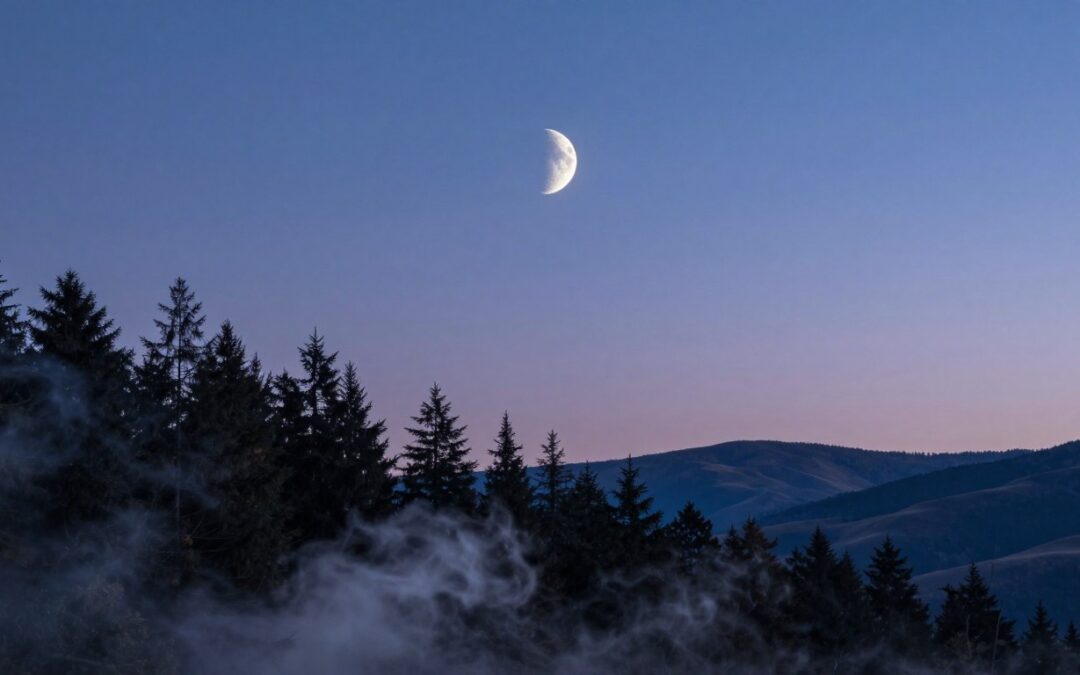
Have you ever seen shrinking silver slivers in the night sky and felt a sudden urge to let go? For centuries, humans have looked up for guidance. They found that our lunar friend influences everything from ocean tides to inner peace. While a growing crescent brings energy, this phase offers something deeper.
This specific period is for surrender and reflection as light fades. Instead of chasing new goals, we embrace this time to clear out mental clutter. This crescent phase appears just before a new cycle starts, showing as a thin sliver that brings inner knowledge.
By honoring this cycle, we prepare for new starts following darkness. These quiet moments allow us to recharge our spirits deeply. We learn to symbolize our growth through release, not constant action.
Key Takeaways
- This phase represents a period of surrender and letting go.
- This cycle encourages deep reflection and internal assessment.
- Lunar rhythms help us release negative energy and old habits.
- We use this time to find inner peace and spiritual clarity.
- Fading light symbolizes completion of a journey or project.
- It serves as a necessary pause before a new cycle begins.
Understanding the Waning Moon
To understand the waning moon, we need to know about the lunar cycle and its phases. The lunar cycle is about 29.5 days, the time the Moon orbits the Earth. Each phase has its own special meaning and symbolism.
The cycle starts with the new moon, when the Moon is hidden from us. As it moves, we see a small light, starting the waxing crescent phase. The waxing phase grows until the Moon is full, shining brightly.
Definition of the Waning Moon
The waning moon comes after the full moon, when the Moon seems to shrink. This happens as it moves away from full light. The waning moon is linked to lunar symbolism of release, change, and looking inward.
Phases of the Moon Explained
The Moon’s phases change with its position around the Earth and Sun. We have new moon, waxing crescent, first quarter, waxing gibbous, full moon, waning gibbous, last quarter, and waning crescent. Each phase has its own moon phases symbolism, affecting culture, spirituality, and astrology.
The waning gibbous phase, right after full moon, is for reflection and release. It’s a time to let go of old things, making room for new beginnings. For more on using the lunar cycle for growth, check out New Moon reading for clarity on goals.
Historical Significance of the Waning Moon
The waning moon has always been special in many cultures. It stands for the space between our awake and dream worlds. Let’s look at how the waning moon was seen in old times and how it’s viewed today.
Ancient Civilizations and Lunar Phases
Old societies watched the moon closely. They saw the waning moon as a time for letting go and change. In Mesopotamia, the moon god Nanna was important, and the waning moon was for thinking and getting ready for the next cycle.
In ancient Greece, the waning moon was linked to Hecate, goddess of magic and fertility. This shows how the moon was seen as a bridge between life and death.
The waning moon also played a big role in other cultures. It was tied to the afterlife, ancestors, and the underworld. This highlights the moon’s spiritual importance in old times.
Lunar Lore in Various Cultures
Different cultures saw the waning moon in their own ways. In many indigenous cultures, it’s a time for telling stories and learning from the past. For example, some Native American tribes use the waning moon for self-reflection and healing.
In Africa, the waning moon is linked to rituals for protection and getting rid of bad vibes. The spiritual meaning of the waning moon shows how people worldwide have tried to connect with the moon.
If you’re curious about lunar cycles and their spiritual side, check out new moon readings for personal transformation. They offer deep insights into lunar spirituality.
Spiritual and Astrological Meanings
The waning moon holds deep spiritual and astrological significance. It affects our emotions and intuition. As the moon’s light fades, we’re called to explore our inner world and emotional landscapes.
“The moon is a loyal companion. It never leaves. It’s always there, watching, steadfast, faithful. It is the one we can trust.” This quote captures the moon’s symbolic importance, mainly during its waning phase.
Influence on Emotions and Intuition
The waning moon’s reduced light symbolizes a time for release and change. It’s a period for letting go of what’s holding us back. This phase focuses on our emotional and intuitive sides, urging us to tune into our inner voices.
As we move through the waning moon, our emotions and intuition may grow stronger. It’s a time to dive deep into our feelings and release emotional burdens. This way, we can come out clearer and more emotionally balanced.
Astrological Signs Related to the Waning Moon
The waning moon impacts each astrological sign uniquely, based on their traits and birth charts. For Cancer, this phase is deeply emotional and introspective. Aquarius, on the other hand, might focus on letting go of specific desires.
Knowing how the waning moon affects our sign can offer insights into our journey. It’s a chance to align with the lunar cycle and support our growth and change.
By embracing the spiritual and astrological aspects of the waning moon, we can strengthen our connection to the lunar cycle. This helps us face life’s challenges with grace and intuition.
Symbolism in Different Cultures
The waning moon is seen differently around the world. It shows the rich variety of human culture and belief. People born during the waning crescent are known for their insight and creativity. They are shaped by the moon’s soft, fading light.
Native American Traditions
In many Native American cultures, the waning moon is a time for reflection and release. It’s when the full moon’s energy has faded, and people get ready for new beginnings. The waning crescent is a moment to release the old and welcome new wisdom.
Many tribes celebrate this time with stories and rituals. They share their history and cleanse their spirits. This shows the importance of the waning moon in their traditions.
Symbolism in Eastern Philosophies
In Eastern philosophies, like Buddhism and parts of Hinduism, the waning moon is about letting go. It’s a good time for meditation and rituals to purify the mind and spirit. This lunar phase is seen as a chance to release and renew.
| Culture | Symbolism of Waning Moon | Practices/Rituals |
|---|---|---|
| Native American | Reflection, Release | Storytelling, Cleansing Rituals |
| Eastern Philosophies | Letting Go, Purification | Meditation, Purification Rituals |
Looking at how different cultures view the waning moon helps us understand our shared human experiences. It shows that, despite our differences, we all share common themes and values.
The Waning Moon’s Impact on Nature
The waning moon affects nature in many ways, including the tides, wildlife, and gardening. It shows how the lunar cycle is closely linked to the natural world.
“The moon controls the tides, rains, waters, and seasons,” many cultures believe. The waning moon has a big impact on these natural events. Let’s look at how it changes our environment.
Effects on Tides and Wildlife
The moon’s gravity pulls on the Earth’s oceans, affecting the tides. During the waning moon, this pull is less than at full moon. This leads to neap tides, with lower highs and higher lows. This change affects marine life a lot, changing their homes and actions.
Many sea creatures, like fish and crustaceans, time their breeding with the moon. The waning moon tells them when to start their migrations or spawn. For example, some fish spawn during the neap tides of the waning moon. This shows how the moon’s phases are connected to sea life.
Gardening and Agriculture Practices
The waning moon also affects gardening and farming. Traditional farming follows the lunar cycle, using the waning moon for harvesting and soil prep. It’s thought that the energy pulls inward, helping roots grow and planning for the future.
For gardeners, the waning moon is a good time for pruning, weeding, and soil prep for new plants. This matches nature’s rhythms and can make gardens healthier and more productive. Learn more about using waning moon energy in gardening.
Watching the waning moon’s effect on nature shows us how connected we are. By understanding and respecting these lunar cycles, we can live in better harmony with nature.
Personal Reflection During the Waning Moon
The waning moon is a time to celebrate our wins and recognize our strengths. It’s a period for personal growth. Reflecting on our journey shows us how far we’ve come.
Letting Go and Releasing
The waning moon is a symbol of release and change. It’s a time to let go of things that no longer serve us. This could be a bad habit, a toxic relationship, or a negative thought pattern. By letting go, we make room for new experiences and opportunities.
Here are some ways to let go:
- Journaling about what you wish to release
- Performing a release ritual, such as burning a piece of paper with your worries written on it
- Meditating on the concept of release and renewal
A Time for Introspection and Healing
The waning moon is also for looking inward and healing. It’s a time to understand our motivations, desires, and fears. This helps us heal and understand ourselves better.
To deepen your introspection, try new moon reading online with visualization. It helps connect with your inner self and explore your subconscious mind.
Reflecting during the waning moon prepares us for the new cycle. We do this with the wisdom of our experiences and clear intentions.
Rituals and Practices for the Waning Moon
The waning moon is a powerful time for personal growth and transformation. As the moon’s energy decreases, we can release what no longer serves us. This makes space for new beginnings. It’s a time for introspection, healing, and letting go of negativity.
Recommended Moon Rituals
Several rituals can be practiced during the waning moon. These include releasing negativity, decluttering, cord cutting, banishing spells, and meditation.
Let’s look at some of these practices in more detail:
- Releasing Negativity: This involves acknowledging and letting go of negative thoughts, emotions, or experiences that are holding you back.
- Decluttering: Physically cleaning and organizing your space can help clear mental clutter and improve focus.
- Cord Cutting: This is a symbolic act of releasing emotional or energetic ties to people, places, or things that no longer serve your highest good.
Setting Intentions for the Next New Moon
As we move towards the new moon, setting intentions is a powerful way to manifest our desires and goals. Reflecting on what we want to achieve and writing down our intentions can help clarify our objectives. For more detailed guidance on rituals during the waning crescent moon, you can visit this resource.
| Ritual | Purpose | Action |
|---|---|---|
| Releasing Negativity | Let go of negative thoughts and emotions | Write down things you want to release and burn the paper |
| Decluttering | Clear physical and mental clutter | Organize and clean your living and work spaces |
| Cord Cutting | Release emotional or energetic ties | Symbolically cut ties with a ritual or meditation |
By incorporating these rituals into our practice during the waning moon, we can tap into its transformative energy. This lunar phase offers a powerful opportunity for personal growth, healing, and renewal.
The Waning Moon in Art and Literature
The waning moon has been a powerful symbol in art and literature. It brings up themes of change and looking inward.
The waning moon’s role in creative works is complex. It shows its many meanings across cultures and time. Through poetry, literature, and art, we see its deep impact on how we express ourselves.
Representation in Poetry and Literature
Poets and writers find the waning moon inspiring. It stands for decline, reflection, and renewal. In stories, it marks the flow of time and the cycle of life.
Many poets see the waning moon as a sign of the end of something or a personal journey. The moon’s phases are a common theme in poetry, filled with symbolism. For more on moon symbolism in poetry and mythology, check out this interesting article.
The waning moon’s image can bring feelings of sadness or longing. Poets use its symbolism to express complex feelings.
Influence on Visual Arts
The waning moon has inspired many artists. It shapes their views of landscapes, seascapes, and night scenes. The moon’s soft, silver light is a unique color for artists to play with.
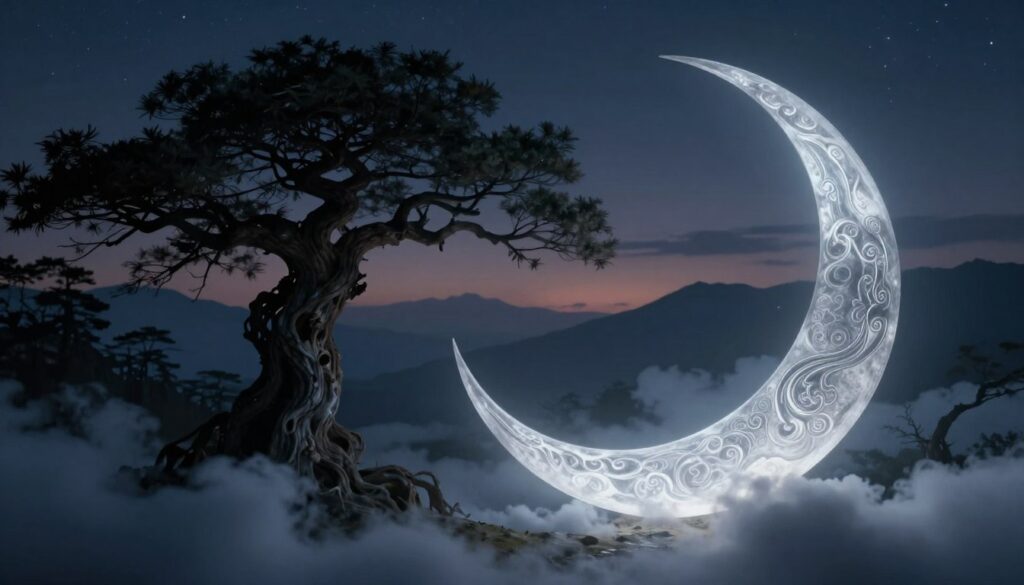
The waning moon in art shows its beauty and deep meaning. It often stands for the mysterious and the hidden. Artists use this to add layers of meaning to their work, engaging viewers deeply.
Looking at the waning moon in art and literature helps us understand its lasting impact on creativity. Its symbolism continues to inspire artists and writers, enriching their work.
Mindfulness and the Waning Moon
The waning moon phase is a special time for mindfulness. It helps us connect with our inner selves. We can explore our thoughts, emotions, and experiences more clearly.
Practices for Mindfulness
Mindfulness is great during the waning moon. Start with simple meditation. Just a few minutes each day can be very grounding.
Try journaling too. Write down your thoughts, what you’re grateful for, and insights. It helps you understand yourself better and let go of what no longer serves you.
For more structured practices, check out our waning moon release meditation. It’s designed to help you release and renew.
Connecting with Your Inner Self
The waning moon is for introspection. It helps us understand our values, desires, and motivations. Spend time alone, do things that nourish your soul, and be kind to yourself.
Connecting with our inner selves lets us interpret the symbolism of the waning moon personally. Ask yourself: What are we letting go of? What are we releasing? What insights can we gain?
By embracing the waning moon’s energy and practicing mindfulness, we can become more aware, clear, and peaceful.
The Science Behind Moon Phases
The lunar cycle has fascinated humans for centuries. It’s a dance between the Earth, Sun, and Moon. This dance is not just beautiful; it’s also based on science.
The moon’s phases change based on its position with the Earth and Sun. Knowing this helps us understand the significance of the waning moon and its effects.
Lunar Cycle and Its Phases
The lunar cycle lasts about 29.5 days. During this time, the moon orbits the Earth, changing how much sunlight it reflects. The cycle starts with the new moon, when the moon is between the Earth and Sun.
It then goes through phases like the waxing crescent, first quarter, and full moon. The cycle ends with the waning crescent.
To learn more about the current moon phase and its astrological meaning, visit https://newmoonreadingonline.com/moon-phase-today-astrology/. This site offers the latest lunar updates.
How the Moon Affects Earth
The moon’s gravity affects our planet, mainly the tides. The moon’s pull causes the oceans to bulge, creating high and low tides. This effect is strongest during full and new moon phases.
The moon’s influence goes beyond tides. It can affect natural phenomena and even animal behavior. For example, some marine species breed and migrate based on the lunar cycle.
Understanding the waning moon spiritual significance requires knowing the science behind the lunar cycle. By grasping the moon’s phases and their causes, we can appreciate the Earth, Sun, and Moon’s connection.
“The moon is a reminder that no matter how far we have traveled, we are all connected to the vast and mysterious universe.”
Planning Your Activities Around the Waning Moon
The waning moon phase is all about letting go and getting ready for new starts. It’s the perfect time for activities that help us release, change, and look inward.
Best Times for Decluttering and Retreating
The waning moon is perfect for cleaning up your space. As the moon’s light fades, we feel the urge to get rid of what’s not needed. Decluttering is a way to clear out old stuff and bad vibes.
It’s also a good time to take a break from the world. The waning moon’s vibe encourages us to think deeply and reflect on ourselves. It’s a great chance to unwind and refresh.
Planning Personal Projects
Even though the waning moon is about letting go, it’s also a smart time to plan for the future. By getting rid of old stuff, we make room for new ideas. Planning personal projects during this time helps us set clear goals and get ready for the new moon.
Here’s a simple table to help you plan your activities around the waning moon:
| Activity | Description | Benefits |
|---|---|---|
| Decluttering | Clear out physical and emotional clutter | Creates space for new energies, reduces stress |
| Retreating | Take time for self-reflection and relaxation | Recharges energy, promotes introspection |
| Planning Projects | Prepare for new initiatives and goals | Clarifies objectives, enhances focus |
By matching our activities with the lunar symbolism and understanding the moon phases symbolism, we can use natural energies to improve our lives.
Embracing Change with the Waning Moon
As we move through the waning moon phase, we’re called to let go of what’s holding us back. This makes room for fresh opportunities to come into our lives. The waning moon is all about change and starting anew.
Transition as an Opportunity for Growth
Seeing transition as a chance to grow changes how we view the waning moon. By shedding old ways, we connect with the moon’s power to transform us. This aligns us with our true purpose.
To tap into this energy, try meditation, journaling, or rituals that help us release and. These practices give us the courage to let go and welcome change.
[…] journal can be incredibly helpful. Tracking energy levels throughout the different phases of the moon allows us to recognize…
[…] Reading is a new platform that offers personalized insights based on the lunar cycle1. It’s different from generic horoscopes,…
[…] As we set intentions aligned with the New Moon energy, we open ourselves to the power of manifestation. By…
[…] intentions during the new moon is a powerful practice that allows me to declare my goals and aspirations. It…
[…] These readings provide a convenient and accessible way to connect with the energies of the new moon and gain…