
Ever noticed how your mood changes every month, like clockwork? We often look at yearly changes, but the moon checks in more often. It’s like a monthly soul check-in.
This monthly event happens when the moon returns to your birth position. In astrology, we call this a lunar return.
Every month, the Moon goes back to where it was at your birth. We use this time to explore your emotional and personal themes for the next few weeks.
Learning about this cycle helps us find growth opportunities. It gives us deep insights into our feelings. It’s a powerful guide for mastering our inner world.
Key Takeaways
- The event happens every twenty-eight days when the moon hits your natal position.
- It sets the emotional tone and personal themes for the upcoming month.
- We use these charts to identify specific windows for internal growth.
- This cycle provides a fresh start for our emotional and private lives.
- Tracking these moments helps us stay in sync with our natural rhythms.
- It offers a roadmap to navigate feelings and domestic changes effectively.
Understanding the Basics of Lunar Returns
To understand Lunar Returns, we must first grasp their basics. They are tied to the Moon’s cycle, which lasts about 28 days. This cycle is key to understanding Lunar Returns and their role in astrology.
What is a Lunar Return?
A Lunar Return happens when the Moon gets back to its birth position. This event occurs every 28 days, marking a key moment in the lunar cycle. It’s believed to affect our emotions, showing patterns and feelings we might not see normally.
The Moon’s cycle is vital for Lunar Returns. As the Moon orbits Earth, it goes through different phases. Each phase has its own energy and traits. The Lunar Return chart captures the sky’s state when the Moon returns to its birth position. It offers insights into the themes and emotions of that time.
How is a Lunar Return Calculated?
To figure out a Lunar Return, we find when the Moon gets back to its birth spot. Astrological tools and software like Astrodienst or AstroSeek make this easy. They help people get their Lunar Return charts and meanings without needing to know a lot about astrology.
Calculating a Lunar Return is easy with the right tools. Here’s a step-by-step guide:
- Find your birth date and time to know the Moon’s natal position.
- Use an astrological software or website to get your Lunar Return chart for the current month.
- Look at the chart to see the Moon’s position and its connections to other planets.
- Interpret the chart to understand your emotional state and themes for the Lunar Return period.
Learning how to calculate and understand Lunar Returns helps us better grasp our emotional lives. It shows how the lunar cycle affects our astrological profiles.
The Significance of Lunar Returns
The Moon’s influence on our emotions and growth is profound. Lunar Returns are more than just an astrological event. They offer a tool for personal insight and emotional understanding.
The Moon’s phases impact our emotional lives. From the New Moon to the Full Moon, each phase brings its own energy. Understanding these phases helps us navigate our emotions and make better decisions.
Moon Phases and Their Impact
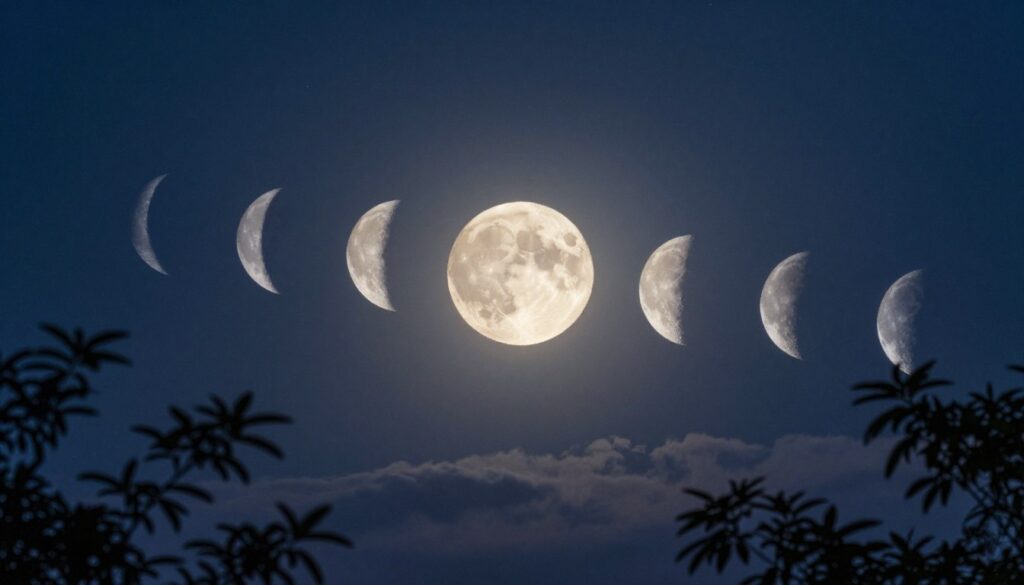
The lunar cycle has eight distinct phases, each with its own influence. Let’s explore these phases and their effects:
- New Moon: A time for new beginnings and setting intentions.
- Waxing Crescent: A phase for taking action and overcoming challenges.
- First Quarter: A time for perseverance and making adjustments.
- Waxing Gibbous: A phase for refinement and preparation.
- Full Moon: A moment for release and celebration.
- Waning Gibbous: A time for gratitude and sharing.
- Last Quarter: A phase for reflection and reorientation.
- Waning Crescent: A time for surrender and rest.
To learn more about Lunar Returns, check out our blog. We have an article on Lunar Returns.
How Lunar Returns Influence Our Emotions
Lunar Returns offer insights, guidance, emotional release, and growth opportunities. By looking at the Moon’s position at our Lunar Return, we understand our emotional state better. The Moon’s influence affects our emotional sensitivity, intuitive responses, and personal relationships.
For example, a Full Moon Lunar Return might make us feel more emotional and need release. A New Moon Lunar Return could signal a time for new starts and intentions. Knowing these influences helps us manage our emotions better.
Key Features of a Lunar Return Chart
The Lunar Return chart is a powerful tool in astrology. It shows the celestial bodies when the Moon returns to its natal position. This chart helps understand the emotional, psychological, and thematic undertones of the upcoming month.
To fully understand a Lunar Return chart, knowing its key components is essential. The Moon’s position within it holds great significance. Let’s dive into these elements in detail.
Key Components of a Lunar Return Chart
A Lunar Return chart is an astrological chart that captures the celestial landscape at the moment the Moon returns to its natal position. The key components of this chart include:
- The Moon’s position and its aspects to other planets
- The placement of planets in the different houses
- The aspects formed between the Moon and other celestial bodies
These components work together to provide a complete view of the themes and energies of the month.
Understanding the Moon’s Position
The Moon’s position in the Lunar Return chart is key. It shows the emotional tone and underlying psychological currents of the month. For example, if the Moon is in a tense aspect with Saturn, it may indicate a period of emotional challenge or introspection. On the other hand, a harmonious aspect with Jupiter could suggest a month filled with emotional growth and positive opportunities.
To learn more about Lunar Returns and their significance, you can visit our detailed guide on what is a Lunar Return.
By examining the Moon’s position and its interactions with other celestial bodies, individuals can gain valuable insights into their emotional landscapes. They can prepare for the challenges and opportunities ahead.
How to Interpret Your Lunar Return
The Lunar Return chart is a monthly astrological snapshot. It offers insights into the upcoming month’s themes and energies. To interpret this chart, we analyze various celestial events and their impact on our lives.
Key Aspects to Analyze
When looking at your Lunar Return chart, there are key aspects to consider.
- The Moon’s position and its aspects to other planets are vital. They help us understand the month’s dominant themes.
- The House placement of the Moon and other planets gives insights into specific life areas influenced.
By examining these factors, we can understand our emotional undercurrents and external events. For a detailed guide on reading a Lunar Return chart, check out this guide.
Common Themes
Lunar Returns often highlight common themes in our lives. These can include emotional shifts, changes in relationships, or new career or personal growth opportunities.
By analyzing the Lunar Return chart, we can identify these themes. This helps us prepare for the challenges and opportunities ahead.
| Aspect | Influence |
|---|---|
| Moon conjunct Jupiter | Emotional expansion, optimism |
| Moon square Saturn | Emotional challenges, responsibility |
| Moon trine Venus | Harmony in relationships, creativity |
For those new to Lunar Returns, learning about lunar influence is helpful. You can find more about it here.
The Role of Houses in Lunar Returns
The Lunar Return chart highlights the Houses as key indicators of the Moon’s influence. It’s a powerful tool for understanding the Moon’s impact on our lives each month. It shows which areas of life will feel the Moon’s energies.
What the Houses Represent
In astrology, the twelve Houses of a birth chart cover different life aspects. These range from personal identity to career and spiritual pursuits. Each House has its own themes and experiences.
To grasp the Moon’s influence in a Lunar Return, knowing each House’s role is vital. Here’s a quick look:
| House | Representation |
|---|---|
| 1st House | Personal identity, self-image, and overall approach to life |
| 2nd House | Material possessions, finances, and personal values |
| 3rd House | Communication, siblings, and short-distance travel |
| 4th House | Home life, family, and emotional foundations |
| 5th House | Creativity, romance, and leisure activities |
Interpreting House Placement
The Moon’s House in a Lunar Return chart shows where its energies will focus for the month. For example, if the Moon is in the 5th House, the month might highlight creativity, romance, or fun activities.
To dive deeper into your Lunar Return, check out our free moon readings online. These sessions can help you explore astrology more.
Effects of Lunar Returns on Different Areas of Life
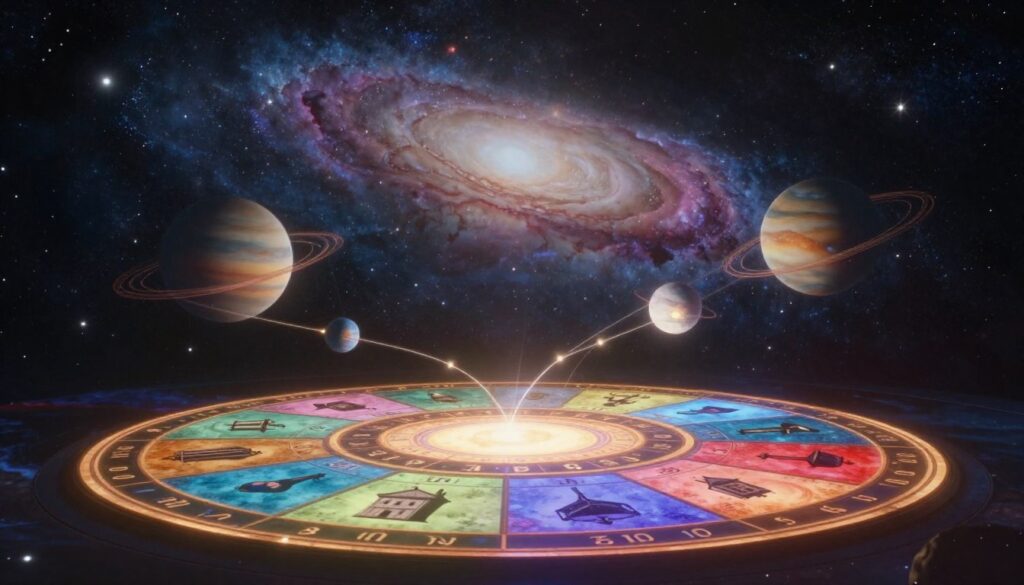
Learning about Lunar Returns can really help us understand their impact on our lives. The Lunar Return chart shows us the themes and challenges we’ll face. It helps us see how our feelings and personal life will change over time.
Love and Relationships
The Lunar Return chart gives us clues about our emotional needs and relationships. By looking at the Moon’s position and aspects, we can spot the main themes in our love lives. For example, a harmonious Moon-Venus aspect can mean a peaceful time in our relationships.
Career and Professional Life
The Lunar Return chart also sheds light on our career and professional life. The Moon’s position in different houses can point out areas to focus on or where we might face challenges. For instance, a Moon in the 10th house during a Lunar Return could highlight our career goals and how we’re seen by others.
Health and Wellbeing
The Lunar Return also gives us insights into our health and wellbeing. The Moon’s connections to other planets can show us health themes or areas where we need to take care of ourselves. A tense Moon-Saturn aspect, for example, might signal a time to focus on our mental or physical health.
| Area of Life | Lunar Return Influence | Potential Themes |
|---|---|---|
| Love and Relationships | Moon’s aspects to Venus or Mars | Harmony, conflict, emotional needs |
| Career and Professional Life | Moon’s position in the 10th house | Career ambitions, public image |
| Health and Wellbeing | Moon’s aspects to Saturn or Jupiter | Self-care, mental health, physical wellbeing |
To learn more about your Lunar Return and its effects, check out our website. We have a detailed guide on Lunar Returns.
Timing and Frequency of Lunar Returns
Understanding Lunar Returns is key. They happen about every 28 days, tied to the moon cycle. This cycle affects our emotions and minds, helping us grow and know ourselves better.
When Does a Lunar Return Occur?
A Lunar Return happens when the Moon gets back to its birth position. It’s a big deal for our emotional and intuitive lives. It happens almost every month, giving us a chance to check our progress and plan ahead.
How to Use Your Lunar Return Effectively
To get the most from your Lunar Return, know what themes and energies it brings. Look at your Lunar Return chart to see how the lunar phases affect you. This helps you prepare for what’s coming, using the Moon’s power to your advantage.
Here are a few tips to make the most of your Lunar Return:
- Think about your feelings and intuition during this time.
- Study your Lunar Return chart to understand the themes and energies.
- Use this knowledge to make smart choices in your life.
By following these steps, you can use the Lunar Return to improve yourself and handle life’s ups and downs better.
Lunar Returns and Personal Growth
Lunar Returns help us connect with our emotions and intuition, leading to personal growth. By looking at the Lunar Return chart, we learn about our emotional needs and patterns. This is key for our zodiac signs.
When the Moon returns to its birth position, it’s a time for emotional release and renewal. This moment makes us think about our emotional journey. It shows us where we can grow and get better.
Exploring Growth Opportunities
Lunar Returns highlight chances for personal growth. By studying the astrological chart for this event, we find themes for emotional healing, relationships, and our inner world.
If your Lunar Return chart focuses on a certain house, it might show an area for growth or change. Knowing these themes helps us better understand our emotions.
Navigating Challenges During Your Lunar Return
Lunar Returns also bring challenges. The emotional depth of this time can make old issues resurface. We must face and heal from these past experiences.
To deal with these challenges, we need to be open and reflective. Practices like meditation, journaling, or getting help from astrological resources can help.
By embracing what our Lunar Return offers, we can understand ourselves better. This leads to emotional healing and helps us align with our true needs. We move forward with more clarity and purpose.
Lunar Returns vs. Solar Returns
In astrology, Lunar and Solar Returns have different roles. Solar Returns happen once a year, giving insights into the year’s themes. Lunar Returns offer monthly guidance on emotions and personal themes.
Key Differences Between Lunar and Solar Returns
Lunar and Solar Returns differ in frequency and insights. Solar Returns occur annually, providing a yearly forecast. Lunar Returns happen every 28 days, focusing on emotional and personal themes for a month.
Understanding these returns helps in planning and self-reflection. Here’s how they can be used:
- Lunar Returns help in understanding monthly emotional cycles and personal themes, allowing for more precise planning and self-reflection.
- Solar Returns provide an overview of the upcoming year, highlighting major life themes, opportunities, and challenges.
To get the most out of both, know when to use each. For big life events or decisions, analyzing both Lunar and Solar Returns is key. Learn more about using these tools by checking out this guide on Solar and Lunar.
When to Focus on Each Return
Knowing when to focus on Lunar versus Solar Returns is important. Solar Returns are best for long-term planning and understanding big themes. Lunar Returns offer immediate, personal, and emotional guidance.
For example, if you’re going through a tough emotional time, look at your Lunar Return chart. It can help understand your emotional state. For planning big life changes or understanding your life’s context over the next year, your Solar Return chart is essential. You can also learn more by comparing Moon readings with Sun sign astrology, as explained in this article.
By using both Lunar and Solar Returns, you can better understand the celestial events and planetary influences in your life.
Resources for Better Understanding Lunar Returns
To get a better grasp of Lunar Returns, check out different resources. Astrodienst is a great online spot for making Lunar Return charts. It gives you accurate and personal insights. John Townley’s book “Lunar Returns” also offers deep analysis and interpretations.
Recommended Resources
There are many websites and astrological software to help you. Visit New Moon Reading Online to learn more about the new lunar cycle. Talking to experienced astrology pros can also offer you personalized advice.
Astrological Tools
Using astrological software can make creating and understanding Lunar Return charts easier. These tools, along with the suggested books and websites, will help you better understand lunar astrology. This way, you can make more informed choices.
[…] journal can be incredibly helpful. Tracking energy levels throughout the different phases of the moon allows us to recognize…
[…] Reading is a new platform that offers personalized insights based on the lunar cycle1. It’s different from generic horoscopes,…
[…] As we set intentions aligned with the New Moon energy, we open ourselves to the power of manifestation. By…
[…] intentions during the new moon is a powerful practice that allows me to declare my goals and aspirations. It…
[…] These readings provide a convenient and accessible way to connect with the energies of the new moon and gain…