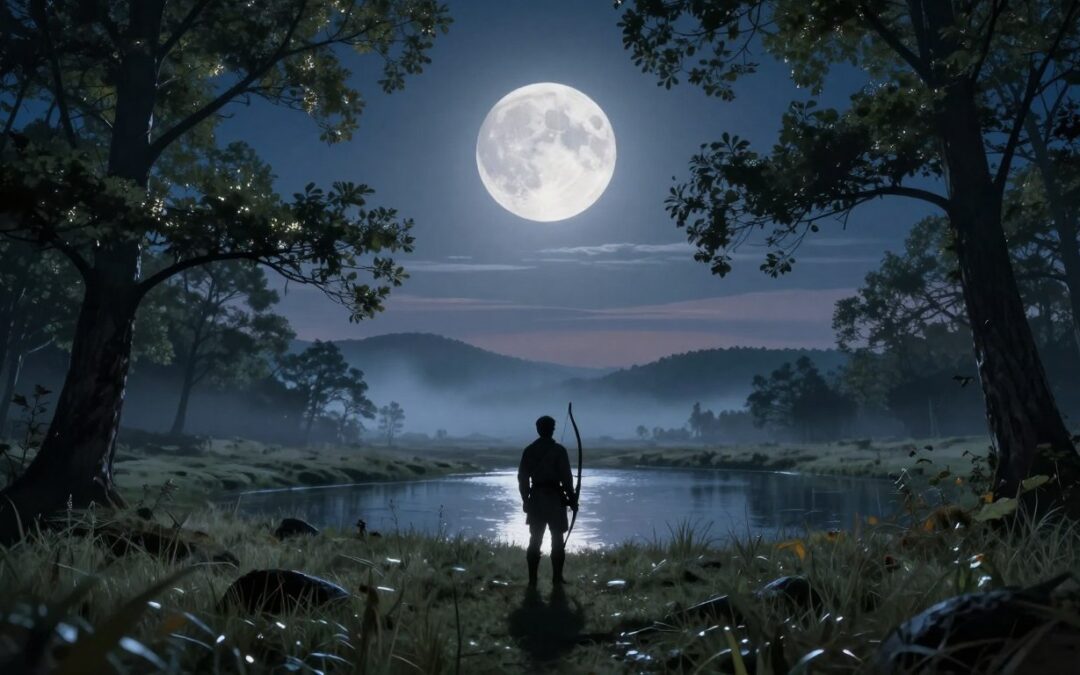
Ever felt a sudden urge to explore woods under a brilliant autumn sky? Our ancestors followed this celestial cycle to prepare for winter chill. This luminous event arrives right after Harvest phase, casting a radiant glow across our landscape.
The hunter’s moon meaning connects us deeply to ancient traditions. Many people use these basics of lunar influence to reflect on personal growth. Storytellers and nature lovers alike feel inspired by such enchanting phases.
Farmers and trackers once relied on this extra light for late tasks. Today, we observe lunar behavior for deer hunting to understand seasonal patterns. Its presence marks a transition toward darker, colder nights ahead.
By studying these patterns, we gain clarity about our own lives. This orb encourages us to release old habits and embrace change. Let us explore how this light shapes our world and spirit.
Key Takeaways
- This lunar event follows Harvest phase every October.
- Ancient people hunted during these bright nights for winter food.
- Tribes across North America used this cycle as a calendar.
- Spiritual rituals focus on letting go and inner reflection.
- Modern tracking benefits from heightened visibility in wild areas.
- Our shared history connects us to these seasonal shifts.
Understanding the Hunter’s Moon and Its Origins
The Hunter’s Moon is more than a lunar event. It’s a symbol of preparation and reflection. Exploring its origins and cultural significance helps us understand its importance in various societies.
Historical Background
The Hunter’s Moon comes from ancient agricultural societies in Europe and North America. It marked the end of the harvest season. It was a time to prepare for winter.
The full moon after the Harvest Moon is called the Hunter’s Moon. It has been important for centuries. It provided light for hunters to gather food before winter.
In many cultures, the Hunter’s Moon was a time for preparation. Communities hunted and stored food together. This ensured their survival through winter.
Cultural Significance Across Various Traditions
The Hunter’s Moon’s cultural significance varies by tradition. In Native American cultures, it signaled the hunting season. It was believed to connect hunters spiritually to nature and animals.
- In some Native American traditions, the Hunter’s Moon was tied to rituals and ceremonies. These honored animals and the land.
- In European agricultural societies, it marked the harvest’s end and the hunting season’s start. It was a time for feasting and winter preparation.
The Hunter’s Moon also symbolizes resilience and community. It was a time for people to unite and prepare for winter’s challenges. This fostered unity and cooperation.
Today, the Hunter’s Moon is celebrated in many communities. It’s observed through festivals and traditions. Its importance goes beyond history, connecting us to nature and our heritage.
When Does the Hunter’s Moon Occur?
The Hunter’s Moon happens after the Harvest Moon, which is the full moon near the autumnal equinox. It usually falls in October or November.
Astronomical Timing and Full Moon Phases
The Hunter’s Moon’s timing is tied to the lunar cycle and Earth’s orbit. The full moon after the Harvest Moon is the Hunter’s Moon. For example, it peaks on Monday, October 26, 2026, at 12:12 A.M. EDT.
To know the exact timing, check the lunar calendar and full moon phases. You can find more on the full moon in October atAlmanac.com.
The Hunter’s Moon is a key full moon phase. It happens when the Moon is opposite the Sun, making it fully lit. This phase is important for understanding the Moon’s cycles and its effects on life and nature.
Seasonal Changes and Their Impact
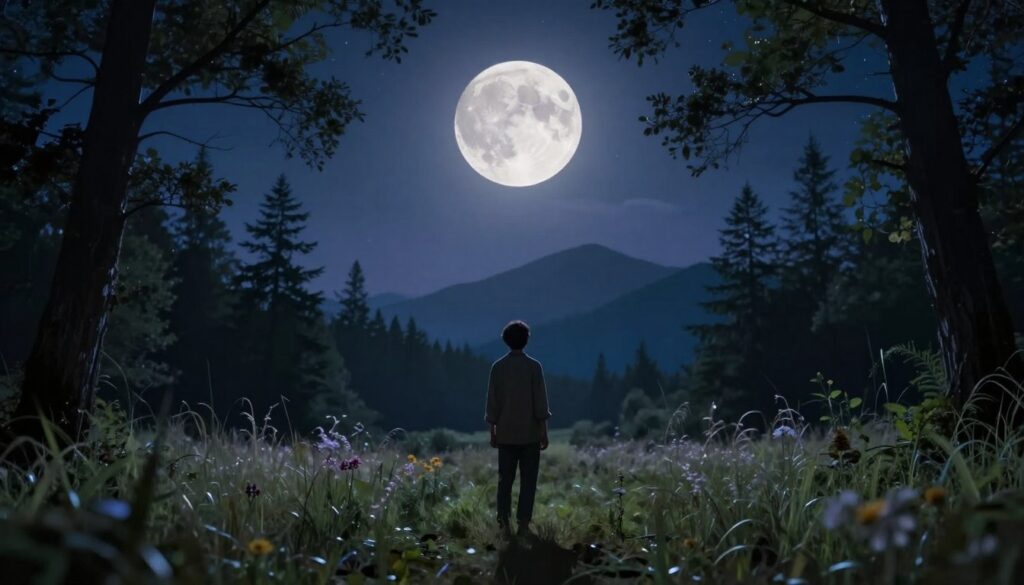
The Hunter’s Moon marks the shift from autumn to winter. As it gets colder and days shorter, it signals hunters to stock up for winter. This moon has played a big role in many cultures, shaping hunting practices and folklore.
| Year | Date of Hunter’s Moon | Significance |
|---|---|---|
| 2024 | October 17 | Marked the beginning of hunting season |
| 2025 | October 6 | Influenced harvesting and hunting practices |
| 2026 | October 26 | Peaked at 12:12 A.M. EDT, significant for folklore |
The Hunter’s Moon is more than a lunar event; it’s a cultural phenomenon. Knowing its timing and significance offers insights intohunter’s moon folkloreand its lasting impact today.
The Hunter’s Moon in Native American Culture
Native American cultures have always valued the Hunter’s Moon. They see it as a time for spiritual significance and hunting. The moon’s light helps hunters track game during the cold months.
Unique Fables and Stories
Many Native American tribes have their own tales about the Hunter’s Moon. Some believe the moon can change animal behavior, making hunting easier. These stories add spiritual depth and practical advice for hunting.
The Hunter’s Moon holds deep spiritual meaning for Native American communities. It’s a time for preparation and gratitude. The moon’s light is seen as a blessing, helping with hunting to survive the winter.
Connection to Hunting Practices
The Hunter’s Moon’s light is perfect for hunting. It allows Native American communities to gather food for winter. Here’s how the Hunter’s Moon impacts hunting:
| Aspect | Description |
|---|---|
| Hunting Conditions | The bright light of the Hunter’s Moon makes hunting easier. |
| Food Preservation | The full moon is the time to preserve food for winter. |
| Community Activities | It’s a time for community gatherings and hunting together. |
For more on the Hunter’s Moon and its cultural importance, check out our blog post on illuminating the Hunter’s Moon’s magic, lore, and cultural significance.
Celebrating the Hunter’s Moon Today
The Hunter’s Moon is as captivating today as it was in the past. It’s a time for looking back and getting ready for the future, according to astrology. Many people celebrate this moon with different events and traditions.
Festivals and Events Associated with the Moon
Many festivals and events celebrate the Hunter’s Moon. These include moonlit hikes, photography, and stargazing. People come together to admire the moon’s beauty and importance.
Cultural festivals also mark the Hunter’s Moon. For example, some towns have harvest festivals. These festivals feature traditional dances, music, and stories.
Community Gatherings and Traditions
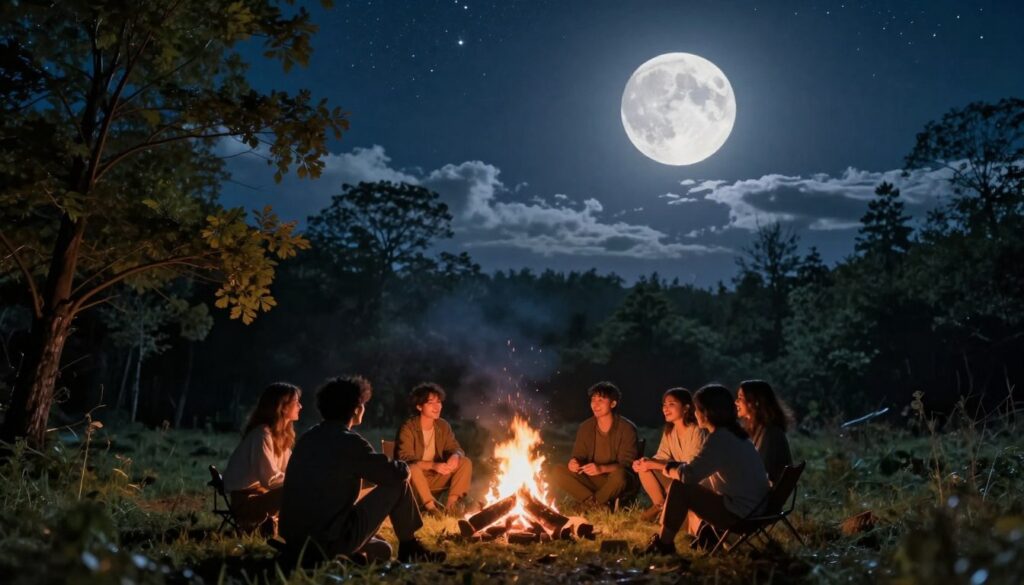
During the Hunter’s Moon, communities come together. They share stories, take part in rituals, and enjoy the full moon’s beauty.
These gatherings help people feel connected to each other and nature. They also reflect on the past year and look forward to the future. This aligns with the Hunter’s Moon’s role in astrology.
Some hunter’s moon myths link it to the harvest and winter preparation. These stories have been passed down and are a big part of today’s celebrations.
The Hunter’s Moon and Agriculture
Agricultural societies have long revered the Hunter’s Moon for its impact on the harvesting season. It marked the end of the harvest season for many. Farmers used its light to gather the last of their crops before winter.
The Hunter’s Moon and harvesting seasons are deeply connected. Its extra light helped farmers work late into the night. This ensured their crops were harvested before winter.
Harvesting Under the Light
The Hunter’s Moon’s bright light helped farmers finish their harvest. It occurs in October, just when harvesting is almost done. This light allowed farmers to work longer, even in short autumn days.
Some key benefits of the Hunter’s Moon for farmers include:
- Extended Harvesting Hours: The bright moonlight allowed for longer working hours, ensuring that crops were gathered efficiently.
- Increased Productivity: With more light, farmers could work more effectively, reducing the risk of leaving crops unharvested.
- Better Preparation for Winter: Completing the harvest before winter was key for storing food and supplies for the cold months.
Significance for Farmers and Ranchers
The Hunter’s Moon is more than just a celestial event; it’s practical for farmers and ranchers. Its legends are tied to agricultural practices across cultures. For example, some Native American tribes saw it as a time to prepare for winter, stockpiling food and supplies. You can learn more about the lore and legends of the Hunter’s Moon to understand its cultural impact.
Today, the Hunter’s Moon also influences modern farming. While technology has changed things, the old knowledge and stories are celebrated. Farmers and ranchers today plan and prepare for the winter, using the Hunter’s Moon as a guide. For example, some modern farmers align their gardening activities with the lunar cycle, including the Hunter’s Moon.
Astronomy and the Hunter’s Moon
The Hunter’s Moon is special because of its unique astronomical traits. It happens in October, right after the Harvest Moon. This event is filled with tradition and has many interesting features.
The Hunter’s Moon stands out because of its consistent rise time. Unlike other full moons, it rises almost the same time for a few nights. This happens because the Moon’s path and the horizon’s angle are just right around the Harvest Moon and the Hunter’s Moon.
What Makes This Moon Unique?
Several things make the Hunter’s Moon special:
- It’s close to the Harvest Moon, making it a big deal in the lunar calendar.
- Its consistent rise time lets hunters stay out longer in the evening.
- Astronomical significance comes from its timing and the Moon’s orbit.
For more info on the Hunter’s Moon, check out EarthSky. They have all the details you need.
How to Spot the Hunter’s Moon
Finding the Hunter’s Moon can be fun. Here’s how:
- Look for the full moon in October, as it’s usually the Hunter’s Moon.
- Watch the Moon’s rise time over a few nights to see how consistent it is.
- Enjoy the Moon without needing special equipment, as it’s easy to see with your eyes.
The Hunter’s Moon is more than just a pretty sight. It has symbolism and meaning in many cultures. It marks the start of winter, a time for gathering and storing food. Knowing its astronomical side adds to its cultural and historical value.
The Influence of the Hunter’s Moon on Wildlife
The Hunter’s Moon greatly affects wildlife, changing their behavior in many ways. Hunters and naturalists have noticed this for centuries. The bright moonlight lets them hunt longer, impacting both day and night animals.
The Hunter’s Moon happens when the full moon is near the autumnal equinox. This creates special conditions that change how animals act. The moon’s light stays out later, changing when many animals are active.
Behavioral Changes in Animals
During the Hunter’s Moon, animals change their routines to use the extra light. Deer, for example, stay active later because of the moon. This is part of the hunter’s moon folklore, helping hunters get ready for winter.
- Increased nocturnal activity in species such as deer and rabbits.
- Altered feeding patterns, with some animals taking advantage of the extra light to forage.
- Changes in predator behavior, with predators like owls and coyotes being more active.
Impacts on Hunting and Fishing
The Hunter’s Moon greatly affects hunting and fishing. Hunters can track their prey longer, which can lead to more success. Experts say the moon phase can make deer easier to predict during the Hunter’s Moon.
- Improved hunting success due to increased visibility and animal activity.
- Changes in fishing patterns, as some fish species are more active during full moon phases.
- Adjustments in hunting strategies to capitalize on the altered animal behavior.
The cultural importance of the Hunter’s Moon is tied to its effects on wildlife and hunting. The hunter’s moon cultural significance is seen in many traditions and stories from this time.
Understanding the Hunter’s Moon’s impact on wildlife helps us see how lunar cycles, animal behavior, and human activities like hunting and fishing are connected.
Crafting Rituals Around the Hunter’s Moon
The Hunter’s Moon brings us into a world of ancient traditions and rituals. It’s a time for reflection, when the moon’s energy can help us grow and change. This moon is special, with a thin veil between worlds.
“The full moon shines brightly, giving us a chance to reflect and align with our deepest desires,” says a spiritual expert. Many cultures celebrate the Hunter’s Moon with spiritual practices and community gatherings.
Traditional Customs and Modern Practices
Traditional Hunter’s Moon customs are tied to ancient farming cycles. These customs have evolved, blending spirituality with living in harmony with nature.
Some communities hold moonlit feasts and storytelling to honor the Hunter’s Moon. These events bond communities and remind us of the moon’s spiritual role in change.
Today, people adapt these traditions to modern life. They use the moon’s energy to reassess goals. Modern celebrations include moonlit hikes and stargazing, connecting us with nature.
Creative Ways to Celebrate the Moon
There are many ways to celebrate the Hunter’s Moon, from personal rituals to group activities. Here are some ideas:
- Do a moonlit meditation or prayer to connect with the moon’s energy.
- Host a community dinner or potluck under the full moon.
- Start a creative project, like writing or painting, inspired by the moon.
- Take a reflective walk in nature, acknowledging life’s changes.
By embracing these practices, we can connect with the hunter’s moon spiritual significance. It guides us toward growth and understanding our place in nature.
Reflections on the Hunter’s Moon’s Significance
The Hunter’s Moon reminds us of nature’s rhythm and our bond with the night sky. It’s more than a lunar event; it connects our past and present. It’s filled with myths and legends of the hunter’s moon.
When the Hunter’s Moon shines, we think about growing and finding spiritual renewal. The moon’s cycles mirror our life’s journey. They urge us to welcome change and growth.
Spiritual Growth and Modern Practices
The Hunter’s Moon is key in modern spirituality. It inspires new rituals and practices that honor old traditions. These customs help us connect with nature and each other.
Whether you’re into astrology or just love stories, the Hunter’s Moon is magical. It offers a special experience each year, surrounded by myths and legends.
[…] journal can be incredibly helpful. Tracking energy levels throughout the different phases of the moon allows us to recognize…
[…] Reading is a new platform that offers personalized insights based on the lunar cycle1. It’s different from generic horoscopes,…
[…] As we set intentions aligned with the New Moon energy, we open ourselves to the power of manifestation. By…
[…] intentions during the new moon is a powerful practice that allows me to declare my goals and aspirations. It…
[…] These readings provide a convenient and accessible way to connect with the energies of the new moon and gain…