
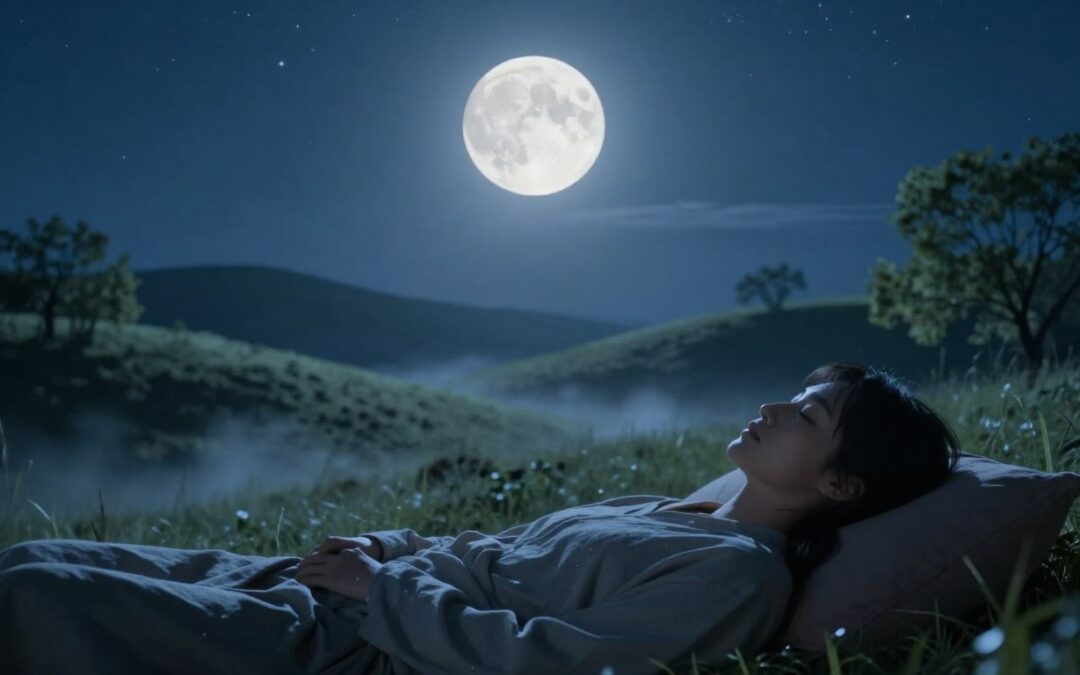
Does the moon really change what we dream about? This question has puzzled people for a long time. We often feel more awake when the moon is full.
Modern science is now looking into this actual truth. Experts from Sleep Dynamics and Sleepfy.ai are studying the connection. They want to know if the moon’s phases really affect our sleep.
Our dreams can take us to strange places. Old stories say the moon’s pull changes our dreams. We’re curious if science agrees with these tales.
The moon light might influence how we feel. Could the moon’s cycles change how we remember our dreams?
How does the moon influence dream recall exactly? Let’s explore the science behind these old beliefs. We’ll see what the latest studies say about our sleep and memory.
Key Takeaways
- Understanding links between lunar phases and sleep quality.
- Exploring scientific data from Sleep Dynamics and Sleepfy.ai.
- Distinguishing between cultural folklore and biological reality.
- Identifying way luminosity impacts ability to remember nightly visions.
- Learning tips to improve rest during a full lunar stage.
- Recognizing psychological effects of celestial cycles on our minds.
Understanding the Connection Between Dreams and the Moon
Dreams are a mystery, and studies show the moon’s cycles might affect our dream recall. The moon’s influence on our subconscious is a blend of psychology, neuroscience, and astronomy. To grasp this link, we must explore the science of dreaming and how the moon impacts our brain’s dream recall.
The Science of Dreaming
Dreaming is a universal human experience that happens during REM sleep. REM sleep is marked by active brain activity, vivid dreams, and a faster heart rate. Dreams reflect our subconscious mind, processing memories and emotions. Though the purpose of dreams is debated, they are vital for our mental and emotional health.
How Dreams Are Remembered
Dream recall is influenced by sleep quality, brain chemistry, and personal traits. Research shows dream recall varies greatly among people, with some remembering dreams vividly and others barely anything. The brain’s memory consolidation during sleep is key for dream recall, and disruptions can affect our ability to remember dreams.
A study by the University of Basel found that around the full moon, people sleep less deeply, take longer to fall asleep, and have lower melatonin levels. These sleep pattern changes might make dream recall easier during certain lunar phases. For more on lunar cycles and children’s sleep and dreams, visit Moon Reading for Children’s Sleep and.
The Role of Sleep Stages
Sleep has different stages, including non-REM and REM sleep. REM sleep is when most dreams happen, and it’s vital for memory and learning. The moon’s cycle can affect sleep stages, including REM sleep, which might influence dream recall. Studies suggest the full moon can disrupt sleep, leading to more dream recall due to lighter sleep.
The Phases of the Lunar Cycle
The moon’s phases are deeply connected to our dreams and subconscious. Exploring the lunar cycle helps us understand how it affects our dreams.
New Moon: A Time for New Beginnings
The New Moon starts a new cycle, bringing renewal and fresh starts. It’s a time for setting intentions and starting new projects. Sleepfy.ai says the New Moon is great for new beginnings, which can influence our dreams.
By setting clear goals during this time, we can connect with the moon’s energy. This might help us remember our dreams better.
Full Moon: Heightened Emotions and Dreams
The Full Moon is linked with strong emotions and dreams. Vivid dreams are common during this time, thanks to the moon’s full light. Sleepfy.ai notes that the Full Moon boosts dream activity, making our brains more active.
For more on how the moon affects rest and rituals, check out the cycle of moon phases.
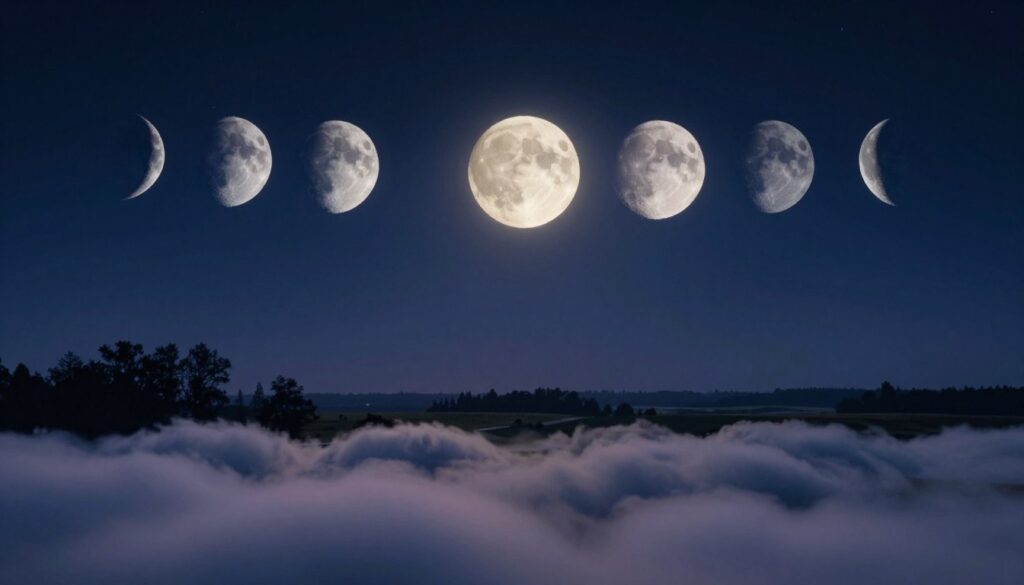
Waxing and Waning: The Growth Cycle
The waxing and waning phases show the moon’s growth and decay. They mirror the ups and downs in our lives and emotions. As the moon grows, so do our energy and dreams.
When the moon wanes, we may feel a release. This can also show in our dreams. Understanding these cycles helps us see how the moon and our dreams interact.
How the Moon Affects Sleep Patterns
The moon’s effects on our sleep are subtle yet significant. The lunar cycle, with its phases, influences our sleep in various ways.
Research on Sleep and Moon Phases
Studies show the full moon affects our sleep. Sleep Dynamics found small but consistent sleep pattern changes around the full moon. These include later bedtimes, less deep sleep, and more wakefulness.
For example, a study found people sleep less deeply and wake up more during the full moon. This is due to the moon’s impact on our internal clocks.
| Moon Phase | Effect on Sleep | Possible Reason |
|---|---|---|
| Full Moon | Later bedtimes, reduced deep sleep, increased wakefulness | Increased lunar light affecting melatonin release |
| New Moon | Generally less impact on sleep patterns compared to full moon | Less lunar light |
| Waxing/Waning Moon | Variable effects, potentially related to the gradual change in lunar light | Changing lunar illumination |
Lunar Light Influence on Sleep Quality
The extra light from the full moon can delay melatonin release. Melatonin is key for our sleep-wake cycle. Delayed melatonin release can harm our sleep quality.
For those into moon reading for dream interpretation, knowing the moon’s sleep impact offers deeper insights into dreams.
Cultural Beliefs Around Moonlit Sleep
Cultures worldwide link the full moon to sleep changes. Some believe it brings more energy and alertness, affecting sleep.
These beliefs, though not proven, show the moon’s deep cultural impact. They highlight the moon’s complex relationship with our sleep.
Understanding these influences helps us see the moon’s role in our sleep and dreams. This knowledge aids in improving sleep and dream recall.
Emotional Influences of the Moon
The moon’s phases can deeply affect our emotions. For centuries, people have been fascinated by the moon’s cycles. They believe these cycles influence not just the tides but also our emotional states.
Lunar Phases and Emotional States
The moon’s different phases are linked to various emotional levels. For example, the full moon is often seen as a time of heightened emotions. Studies show that during the full moon, dreams become more vivid and emotions more intense.
Research by Sleepfy.ai found a link between the full moon and increased emotional intensity. This suggests a connection between lunar cycles and our emotional states. This connection is explored further in the context of lunar influence on our emotional and dream.
Influence of Emotions on Dreaming
Our dreams reflect our emotional states. When we’re feeling intense emotions, our dreams can become more vivid and charged. This is often seen during a full moon.
The emotional influence on dreaming is complex. The moon’s cycles may amplify emotional experiences. This can affect dream recall and intensity.
Moon Phases and Mental Health
The link between moon phases and mental health is gaining attention. Some studies indicate that certain lunar phases may lead to more anxiety and depression. This could be due to the emotional intensity during these times.
Personal Accounts and Anecdotal Evidence
The moon’s effect on dreams is a common theme across cultures. Many people say they dream more and have more vivid dreams during the full moon. This is a shared experience that has been cherished for centuries.
Stories of Enhanced Dream Recall
From all walks of life, people have shared their stories of intense dreams during the full moon. Sites like Sleepfy.ai and Sleep Dynamics have collected many tales of dream activity and recall during this time.
These stories suggest the full moon deeply affects our subconscious. Dreams become more vivid and memorable. People often feel strong emotions like joy, fear, or deep insights during these dreams.
Shared Experiences Across Cultures
The moon’s role in dreams is not just a local belief. It’s a universal fascination. Many cultures believe the full moon is a time for spiritual rituals and dream enhancement.
These shared beliefs show our deep interest in the moon’s effect on dreams. They also highlight the lunar cycle’s role in understanding our dreams.
Notable Historical Views on Moon Dreams
Throughout history, the moon has been linked to dreams and the subconscious. Ancient cultures saw the moon’s cycles as connected to the human mind and dreams. They believed the full moon was a time when dreams were more accessible.
These historical views show our long-standing fascination with the moon and dreams. They also help us understand the complex relationship between the moon, our subconscious, and dreams today.
Techniques to Enhance Dream Recall
Improving dream recall is a skill we can learn. By using simple methods every day, we can remember and understand our dreams better.
Keeping a Dream Journal
Keeping a dream journal is a great way to remember dreams. Writing down dreams as soon as we wake up keeps details from disappearing. For tips on using a dream journal with the lunar cycle, check out Holly Emmerson’s blog.
To get the most from a dream journal:
- Keep it next to your bed.
- Write down every detail, no matter how small.
- Use a set format to record date, moon phase, and dreams.
- Look back on your entries to find patterns or symbols.
The Impact of Sleep Hygiene
Good sleep hygiene is key for better dream recall. This means going to bed and waking up at the same time, having a quiet sleep space, and avoiding caffeine and screens before bed. Better sleep habits help us dream more.
Some important sleep hygiene tips are:
- Have a calming routine before bed.
- Stay away from screens before bed.
- Keep your bedroom cool, dark, and quiet.
Mindfulness and Meditation Practices
Mindfulness and meditation help us remember dreams better. They make us more aware of our thoughts and feelings. For example, during the waxing crescent moon phase, focusing on intentions and mindfulness boosts dream awareness.
To add mindfulness to your day:
- Start with short meditation and grow it over time.
- Be mindful during daily tasks to improve awareness.
- Try guided meditations for dream awareness.
Using Lunar Phases to Enhance Dreams
The lunar cycle is a powerful tool for deepening dream recall and exploring the subconscious. By understanding and working with the moon’s phases, people can improve their dreams. This helps them understand their subconscious thoughts and feelings better.
Rituals for Each Moon Phase
Each lunar phase offers a chance to do specific rituals that boost dream recall. For instance, during the New Moon, setting intentions can focus the mind. It prepares for the dreams that will come.
As the moon grows, rituals can grow with it. This might include meditation, journaling, or daily reflection. These practices help connect with one’s subconscious.
Setting Intentions with the Moon
Clear intentions are key to using the lunar cycle for better dreams. It’s about knowing what you want to achieve or understand in your dreams. Set a focused intention at the start of the lunar cycle.
To set intentions well, try writing them down, making a vision board, or quiet reflection. These methods help set clear goals.
Lunar Calendars for Guidance
A lunar calendar is a great tool for working with the moon to enhance dreams. It helps track the moon’s phases. This way, you can plan rituals and practices to match the moon’s natural rhythms.
With a lunar calendar, you can prepare for each moon phase’s unique energies and opportunities. This is very helpful for those new to the moon’s influence on dreams.
| Moon Phase | Rituals and Practices | Intention Setting |
|---|---|---|
| New Moon | Meditation, Journaling | Set clear intentions for the cycle |
| Waxing Crescent | Amplification rituals, Reflection | Focus on growth and expansion |
| Full Moon | Celebration, Release | Reflect on progress, release what’s holding you back |
| Waning Gibbous | Reflection, Gratitude practices | Let go of what’s no longer needed |
Science vs. Folklore: Debunking Myths
Exploring dreams and the moon’s role in them needs a careful look at what we believe and what evidence supports it. We must separate myths from facts when looking at the moon’s dream connection.
The moon’s effect on our dreams is filled with myths and legends. Some think the full moon makes dreams more vivid, while others say it has no impact. But what does science really say?
Common Myths About the Moon and Dreams
One myth is that the full moon helps us remember dreams better. Some believe the moon’s brightness and pull can make dreams more intense. But, there’s no strong science backing this up.
Another myth is that the moon can cause nightmares or lucid dreams. Many stories exist, but there’s not much solid research to prove it.
What Research Really Says
Research on the moon’s dream effect is mixed. Some studies hint at a link between lunar cycles and dream intensity. Yet, these findings are not clear-cut. A study in Sleep and Hypnosis found no strong link between lunar phases and dream recall.
As
“The relationship between lunar cycles and dream content is complex and influenced by multiple factors, including individual differences in sleep patterns and brain activity.”
This makes it hard to say the moon directly affects our dreams.
The Importance of Critical Thinking
When looking at the moon’s dream impact, critical thinking is key. We must examine the evidence quality, study methods, and possible biases. This helps us understand the moon’s dream role better.
As we dive deeper into dream mysteries, keeping a balanced view is important. The moon’s dream effect is intriguing and deserves more study and careful analysis.
Future Research Directions on the Lunar Influence
Exploring the lunar cycle’s effect on dreams is ongoing. The link between the lunar cycle and dream recall is getting more attention. Studies show a connection between the two.
Recent studies have made us curious about the moon’s impact on dreams. Now, more research is focused on understanding this connection.
Emerging Studies on the Lunar Effects
New studies are diving into the lunar effects on sleep and dreams. They use advanced methods to study the lunar cycle’s role. For example, they look at how lunar light affects sleep and dream recall.
These studies also look at different groups. They want to know how age, culture, and sleep patterns affect lunar cycle responses.
Exploring Individual Variability
Studying how people vary in response to the lunar cycle is key. Dreams and the lunar cycle can differ greatly. This is due to sleep habits, lifestyle, and cultural beliefs.
By understanding these differences, researchers can help improve dream recall. They aim to create personalized ways to enhance dreams.
Potential for Practical Applications
This research could lead to many practical uses. Knowing how the lunar cycle affects dreams can help improve sleep and dream recall. It could also help in personal growth and insight.
For instance, using lunar calendars could help plan sleep and waking times. This might improve mental health and well-being. The research could also lead to new therapies that use the lunar cycle’s influence on dreaming.
As we continue, exploring the lunar cycle, sleep, and dreaming is vital. This research can deepen our understanding of human consciousness. It also offers practical benefits for our daily lives.
Conclusion: Embrace the Moon and Your Dreams
The moon’s influence on our dreams is complex and deep. It affects our sleep, emotions, and dreams in many ways. By understanding these effects, we can learn more about our inner selves.
Key Takeaways
Our exploration showed that the full moon and new moon have unique effects on dreams. Studies suggest the moon’s pull can make our dreams more vivid at certain times. Our emotions also play a role in how we dream.
Observing Personal Patterns
To see how the moon affects your dreams, keep a dream journal. Track your dreams and note any changes during different moon phases. This will help you understand your subconscious mind better.
The Moon’s Lasting Influence
The moon’s cycles offer a chance for personal growth and self-awareness. By embracing the moon’s influence on our dreams, we can unlock our subconscious. Exploring the moon’s effects on dreams may reveal new insights into our minds.
[…] journal can be incredibly helpful. Tracking energy levels throughout the different phases of the moon allows us to recognize…
[…] Reading is a new platform that offers personalized insights based on the lunar cycle1. It’s different from generic horoscopes,…
[…] As we set intentions aligned with the New Moon energy, we open ourselves to the power of manifestation. By…
[…] intentions during the new moon is a powerful practice that allows me to declare my goals and aspirations. It…
[…] These readings provide a convenient and accessible way to connect with the energies of the new moon and gain…