
Ever thought the night sky could help your garden grow? Ancient civilizations used the moon's cycles for planting and harvesting. Today, many farmers follow these old ways.
Home gardeners often ask, how does the moon affect plant growth? We mix old wisdom with new science to understand this. It's a mix of tradition and curiosity.
Studies show the moon's effect on gardening is small compared to other forces. Yet, the link between moon phases and plant growth fascinates gardeners. We'll dive into why these cycles are so captivating.
Key Takeaways
- Ancient cultures used lunar cycles to plan their primary agricultural activities.
- Scientific evidence for the moon's direct effect on plants remains very limited.
- Moonlight is significantly weaker than sunlight, making it insufficient for photosynthesis.
- The moon's gravity has a negligible impact on moisture movement inside plant stems.
- Some desert shrubs show better pollination success under a bright full moon.
- Many gardening traditions prioritize moon phases despite a lack of robust scientific data.
Introduction to Lunar Effects on Plants
The moon's cycles have a big impact on plant growth and agricultural practices. As we explore gardening and agriculture, knowing the lunar cycle's effect is key.
Overview of Lunar Phases
The lunar cycle, or lunation cycle, lasts about 29.5 days. It has eight phases: New Moon, Waxing Crescent, First Quarter, Waxing Gibbous, Full Moon, Waning Gibbous, Last Quarter, and Waning Crescent. Each phase is thought to affect plant growth differently.
Gardening by the moon means planning activities based on these phases. For example, the New Moon is great for planting seeds, as it boosts root growth. The Full Moon is best for harvesting, with the highest energy. You can find more on planting by the moon and its methods.
Historical Significance of the Moon in Agriculture
Many agricultural practices were based on the lunar cycle in the past. The moon's phases were used for time-keeping before modern tech. Ancient groups like the Egyptians, Romans, and Native American tribes used lunar cycles for planting.
Planting during the New Moon was common among Native American tribes. They believed it was a time for renewal and growth. The tradition of moon phase gardening has been kept alive, with many farmers and gardeners finding it effective. New moon readings for gardening suggest it can make plants healthier and harvests more abundant.
How the Moon Influences Tides and Soil
The moon's pull affects our planet, mainly in tides and soil moisture. It's known for changing tides, but its role in soil and plant growth is also interesting. Many gardeners and scientists are curious about this.
Looking into the moon's effect on tides can help us understand its role in soil moisture. The moon's pull makes oceans bulge, creating high and low tides. It also affects the ground, but to a smaller extent.
Understanding Tidal Influences on Watering
The moon's pull on water bodies might also affect soil moisture. Some gardeners think the lunar cycle can help with watering. For example, the full moon might make soil moister, needing less water.
To grasp this better, let's compare watering needs during different lunar phases:
| Lunar Phase | Gravitational Pull | Soil Moisture | Watering Need |
|---|---|---|---|
| New Moon | Lower | Drier | Higher |
| Full Moon | Higher | Moister | Lower |
| Waxing Crescent | Increasing | Moderate | Moderate |
| Waning Gibbous | Decreasing | Moderate | Moderate |
Soil Moisture and Lunar Phases
Research on the lunar cycle's effect on soil moisture is ongoing. Some studies show the moon's cycles can change soil water content. But, how much it affects soil depends on soil type and local conditions.
For those into gardening with the moon, knowing these details is key. By matching gardening with lunar cycles, gardeners might improve watering and plant growth.
The Role of Light and Darkness
The balance between light and darkness is key for plant growth. The moon's cycles greatly affect this balance. Plants grow differently based on the lunar cycle's light changes.
Moonlight, though weaker than sunlight, impacts plant behavior and growth. Studies show moonlight affects photosynthesis and stomatal conductance in plants. It helps with the plant's energy balance, even if less than sunlight.
Moonlight’s Effect on Plant Behavior
Moonlight's impact on plants is interesting to study. Some plants grow more during full moon nights. This is because they get more light for photosynthesis.
A study on lunar cycles and plant growth found some cool facts. Here's a summary in a table:
| Lunar Phase | Plant Response | Growth Observation |
|---|---|---|
| New Moon | Reduced light, increased root activity | Enhanced root development |
| Full Moon | Increased light, enhanced photosynthesis | Increased leaf growth |
| Waxing Crescent | Gradual increase in light | Steady growth rate |
| Waning Gibbous | Gradual decrease in light | Slowing growth rate |
The Importance of Darkness for Growth
While light is vital for plants, darkness is also essential. Plants need darkness to rest and perform important processes. The right balance of light and darkness is vital for healthy growth.
In the dark phases of the lunar cycle, plants focus on root growth and underground processes. This time of less light helps them recover and rejuvenate. It prepares them for the next growth phase.
Understanding moonlight and darkness helps gardeners and farmers plan better. They can align planting and cultivation with lunar cycles. This can improve plant growth and productivity.
Biodynamic Farming and Lunar Cycles
Biodynamic farming links farming to lunar cycles, giving a special view on planning. It uses natural rhythms to boost crop growth and farming.
This method sees the farm as a living being. It uses lunar cycles and other natural factors for a balanced ecosystem.
Principles of Biodynamic Agriculture
Biodynamic farming deeply understands the natural world. It focuses on soil health, biodiversity, and resource use. It believes the lunar cycle greatly affects plant growth, so it plans activities around it.
Special field sprays and composts are key in biodynamic farming. They're made to improve soil and help plants grow well.
Calendars and Moon Phase Scheduling
Biodynamic farmers use lunar calendars for planning. These calendars help schedule planting, harvesting, and fertilizing by the moon's phases.
The lunar cycle has different phases for farming tasks. For example, the new moon is best for planting some crops. The full moon is great for harvesting.
| Moon Phase | Farming Activity | Recommended Crops |
|---|---|---|
| New Moon | Planting | Leafy Greens, Herbs |
| Full Moon | Harvesting | Fruits, Flowers |
| Waxing Crescent | Fertilizing | Vegetables, Root Crops |
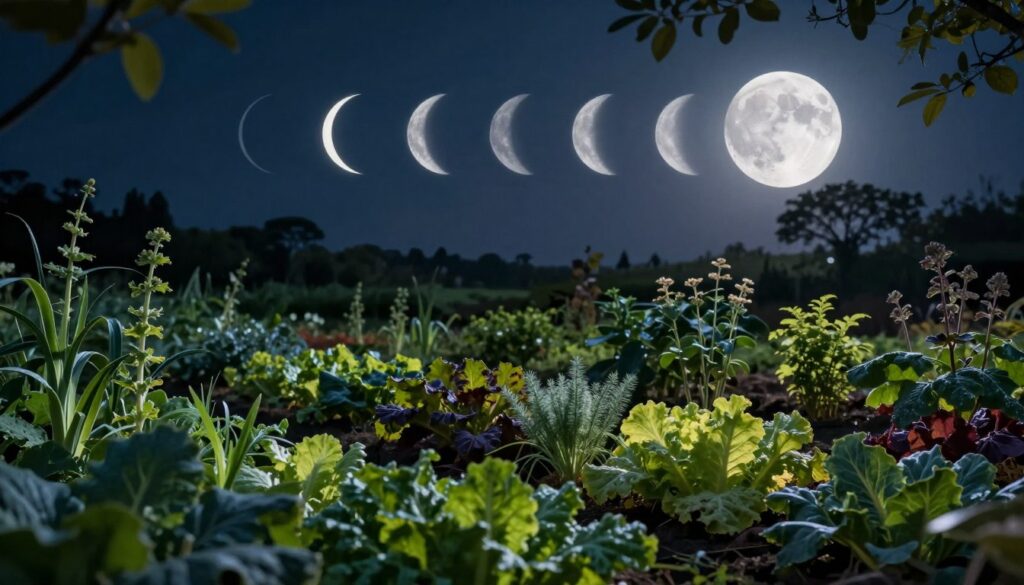
By following the lunar cycle and biodynamic principles, farmers can better their crop yields. This helps in making farming more sustainable.
Planting by the Moon: Myths vs. Facts
The idea that the moon affects plant growth is old. But, it's hard to tell what's true and what's not in lunar gardening. Some gardeners believe in planting by the moon's phases. Others think it's old-fashioned and not backed by science.
To get to the bottom of lunar gardening, we need to look at common myths.
Common Misconceptions in Gardening
Many gardeners think planting by the lunar calendar boosts crops and plant health. But, these beliefs often come from stories, not science. For example, the idea that planting during the new moon helps roots grow is a myth.
- The belief that the full moon helps growth above ground.
- The idea that certain lunar phases are better for planting specific crops.
Now, let's look at the science behind these claims.
Scientific Backing for Lunar Planting
Studies on the moon's effect on plants have given mixed results. Some research shows the moon's gravity can change tidal patterns and soil moisture, which might affect plant growth. For more on gardening with the moon, check out our guide on moon readings for gardening.
Some key findings from studies are:
- Research shows moonlight can affect plant behavior, like flowering and seed germination.
- Some plants seem to change their growth based on the lunar cycle.
Understanding the science behind lunar gardening helps us make better choices. This can lead to better gardening results.
Timing for Planting: New Moon vs Full Moon
The moon's effect on plants is a topic of interest. Planting at the new moon or full moon is key. Each phase is believed to affect plant growth differently.
There's a debate on whether to plant at the new moon or full moon. Each side has its supporters. Let's look into the practices tied to these lunar events.
Best Practices for Planting with the Moon
Planting with the moon cycle is more than picking a time. It's about knowing how the moon's phases affect soil and plants. This knowledge helps with gardening.
- New Moon: Some gardeners think planting root crops at the new moon is best. They believe it helps with underground growth.
- Full Moon: Others say plant during the full moon. They think the extra light boosts growth and health.
For more on moon gardening, check out Gardeners.com. They have lots of info on the topic.
Seasonal Influences on Lunar Patterns
The moon's effect on plants changes with the seasons. Knowing how seasons and moon patterns interact is important. It helps gardeners plan better.
In some seasons, the moon's effect on soil and temperature is stronger. This can affect plant growth. Gardeners can use this knowledge to decide when to plant.
To learn more about lunar influence, visit New Moon Readings Online. They offer a detailed guide.
In summary, planting with the moon cycle is complex. It involves understanding the moon's phases and how they affect plants. By considering both the new moon and full moon, and seasonal changes, gardeners can improve their planting plans.
Specific Plants and Their Lunar Preferences
Different plants react differently to the lunar cycle. Gardeners need to adjust their planting schedules to match these reactions. This way, we can help our plants grow better and produce more.
Vegetables That Thrive Under Moonlight
Some veggies love the moonlight. Leafy greens like lettuce and spinach grow well during the new moon phase. This phase is all about new growth and energy.
On the other hand, veggies that grow fruit above ground, like tomatoes and peppers, do best during the full moon. The extra light helps them produce more fruit.
For more tips on gardening with the moon, check out this lunar planting guide. It offers detailed advice on gardening by the moon.
| Vegetable | Preferred Lunar Phase | Reason |
|---|---|---|
| Lettuce | New Moon | Promotes leafy growth |
| Tomatoes | Full Moon | Enhances fruiting |
| Carrots | Waxing Crescent | Supports root development |
Flowers and the Lunar Cycle
Flowers also respond to the moon. Planting marigolds and zinnias during the waxing moon phase boosts their blooming. The growing moonlight helps them grow strong and bloom brightly.
By gardening with the moon, we can make our gardens healthier and more productive. Whether it's veggies or flowers, knowing their moon preferences helps us succeed in gardening.
The Role of Lunar Energy in Growth
Exploring the lunar cycle reveals its impact on plant growth. The idea that lunar energy affects plants is a topic of debate. Understanding lunar energy helps us improve our gardening.
Energy Patterns and Plant Activity
The moon's cycles may influence plant growth, including energy and activity. Theories suggest plants respond differently during various lunar phases.
The full moon is linked to increased plant activity. This might be because of the extra moonlight. The light boosts photosynthesis and growth, helping plants that love bright conditions.
Aligning gardening with the lunar cycle can improve plant health. Using a lunar calendar for planting helps plan gardening activities well.
Root Development and Lunar Phases
Root growth is key for plants, and the lunar cycle plays a role. The new moon phase is best for root growth. This is because plants focus on roots during dark nights.
Planting or pruning at the right lunar phase can enhance root growth. For example, root vegetables like carrots and beets do well during the new moon.
Moon Phases and Fertilization Techniques
Many gardeners think that using the lunar cycle for fertilization boosts plant growth. The moon's phases can affect soil and plants, helping gardeners improve their fertilization methods. This approach can lead to better plant health and productivity.
Exploring the moon's effect on fertilization, we must look at history and science. Harnessing moon phases for optimal plant growth is a long-standing practice. Many farmers and gardeners believe it works well.
When to Fertilize According to the Moon
The lunar cycle can guide when to fertilize. For example, the new moon phase is great for fertilizers that help roots grow. This is because the soil is most open to nutrients at this time.
As the moon grows, it's best for fertilizers that help leaves grow. The full moon is when plants focus on flowers and fruit. So, use fertilizers that support these activities.
"The moon's cycles have been a guide for farmers for centuries, influencing not just planting but also fertilization practices."
Selecting Nutrients Based on Lunar Influence
The lunar cycle also guides what nutrients to use. For example, during the waxing moon, plants need nitrogen for leaves. When the moon is waning, use phosphorus-rich fertilizers for roots and flowers.
| Moon Phase | Recommended Fertilizer Type | Plant Response |
|---|---|---|
| New Moon | Root stimulators (e.g., high phosphorus) | Enhanced root development |
| Waxing Moon | Nitrogen-rich fertilizers | Promotes leafy growth |
| Full Moon | Balanced fertilizers (N-P-K) | Supports overall growth |
| Waning Moon | Phosphorus-rich fertilizers | Encourages flowering and fruiting |
By matching fertilization with the lunar cycle, gardeners can make fertilizers work better. This approach also helps make gardening more sustainable.
Observing and Documenting Plant Growth
To understand how the lunar cycle affects plants, we need to observe and document carefully. This helps us see how different moon phases impact plant growth and development.
In lunar gardening, keeping a lunar gardening journal is essential. This journal tracks our observations, noting changes in plant behavior and growth. It also records any challenges during different moon phases.
Keeping a Lunar Gardening Journal
Keeping a gardening journal helps us track plant progress over time. It links their growth to the lunar cycle. Experts say, "A journal helps you remember what you've done, and when, which is key for garden decisions."
"The garden journal is a tool that helps you to be more observant and aware of the subtleties in your garden."
To effectively keep a lunar gardening journal, we should:
- Record the date and lunar phase for each entry
- Note the type of plants being observed
- Document any significant events, such as planting, pruning, or fertilization
- Observe and record changes in plant growth, health, and behavior
Tips for Measuring Growth Effectively
Measuring plant growth is key to understanding lunar cycle effects. We can do this with simple yet precise methods.
Some effective tips include:
- Using a ruler or measuring tape to track height and length
- Monitoring leaf size and count
- Observing root development for root vegetables
- Recording the number of flowers or fruits
By following these practices and keeping a detailed journal, we can better understand lunar cycle effects on plants. This knowledge helps us make informed decisions, improving our gardening results.
Conclusion: Embracing Lunar Influence in Gardening
The moon's cycles can greatly impact gardening. By understanding this, we can garden in a more holistic way. This approach makes our gardening more connected to nature.
Gardening with the Moon: A New Perspective
Using a lunar calendar for planting is very helpful. It helps us see how the moon affects plant growth. This knowledge can make our gardening better.
Putting Lunar Gardening into Practice
We suggest gardeners try these methods and see how they work. This can help us grow better plants. As we learn more, we can garden in harmony with nature.





[…] journal can be incredibly helpful. Tracking energy levels throughout the different phases of the moon allows us to recognize…
[…] Reading is a new platform that offers personalized insights based on the lunar cycle1. It’s different from generic horoscopes,…
[…] As we set intentions aligned with the New Moon energy, we open ourselves to the power of manifestation. By…
[…] intentions during the new moon is a powerful practice that allows me to declare my goals and aspirations. It…
[…] These readings provide a convenient and accessible way to connect with the energies of the new moon and gain…