
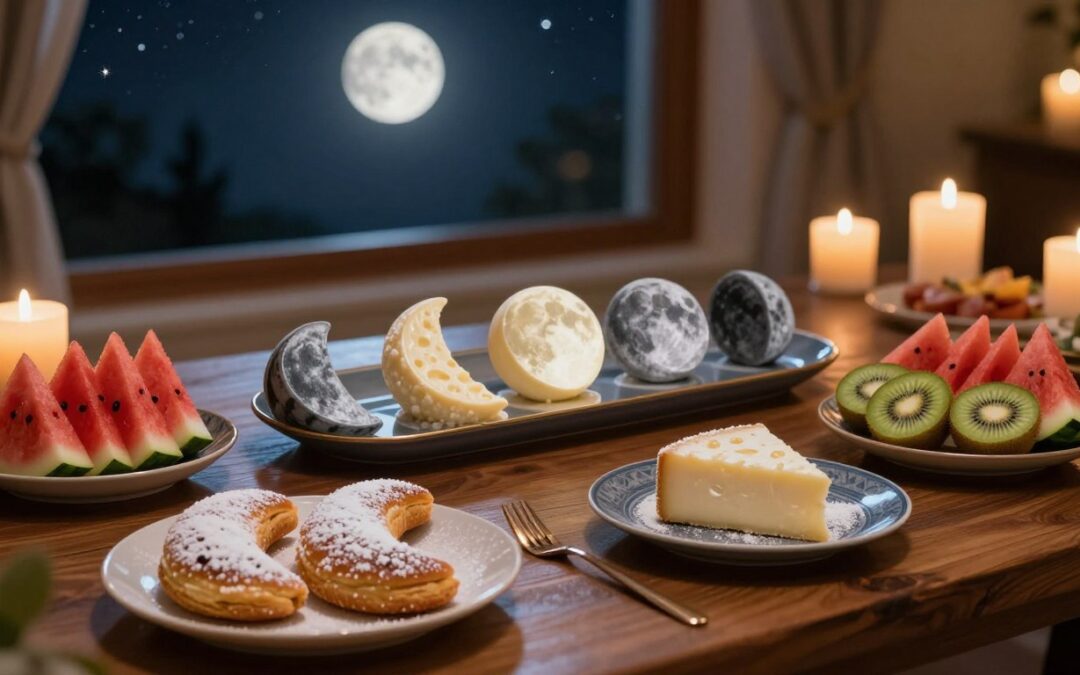
Have you ever thought about the moon guiding what we eat? We see the tides change, but we don’t think about the moon’s role in our meals. In many traditions, the moon helps us understand our energy and feelings.
Just like the moon changes, our bodies grow and renew. By picking lunar phase foods, we can improve our health. This way, we feel more connected to the universe and our needs.
Old cultures used the moon’s cycles for health and mind clarity. We’re finding these practices again to bring harmony to our lives. Choosing the right foods at each phase keeps us balanced and full of energy.
Key Takeaways
- The moon acts as a natural guide for our internal energy levels.
- Our bodies follow natural cycles of growth, fullness, and release.
- Selecting specific ingredients helps support physical and emotional well-being.
- Nature-based traditions connect our dietary choices to celestial shifts.
- Syncing with the moon promotes spiritual balance and groundedness.
- Lunar cycles provide a roadmap for renewal and vitality.
Introduction to Lunar Phases and Eating Habits
Exploring the moon’s phases and our eating habits reveals a rich history. It also shows a modern practice that nourishes and enlightens us. The moon controls the ocean’s tides, women’s cycles, and nature’s rhythms. For thousands of years, humans have lived by the moon’s phases.
Moon phase eating aligns your diet with the lunar cycle. This ancient tradition believes the moon’s phases affect our bodies and nature. By eating with the moon, we can improve our well-being and connect with nature.
Understanding the Lunar Cycle
The lunar cycle has eight phases: New Moon, Waxing Crescent, First Quarter, Waxing Gibbous, Full Moon, Waning Gibbous, Last Quarter, and Waning Crescent. Each phase has different energies and characteristics. These can influence our dietary needs and preferences.
For example, the New Moon is great for new beginnings. It’s a good time to start a new diet or gardening project. Learn more about gardening with the New Moon here.
Historical Context of Lunar Eating
Many cultures have linked their farming and diets to the lunar cycle. This is because the moon’s phases impact plant and animal growth.
| Lunar Phase | Traditional Practices | Dietary Recommendations |
|---|---|---|
| New Moon | Planting seeds, new beginnings | Fresh fruits, light proteins |
| Full Moon | Celebrations, harvesting | Feasting, indulgent treats |
| Waning Moon | Reflection, release | Light meals, detoxifying foods |
Modern Applications of Lunar Phases
In today’s world, moon phase eating is being rediscovered. It helps us live more in harmony with nature. By following the lunar cycle, we can make better food choices and live in sync with nature.
Eating with the moon is more than a diet. It’s about understanding our place in nature and living in harmony with its rhythms.
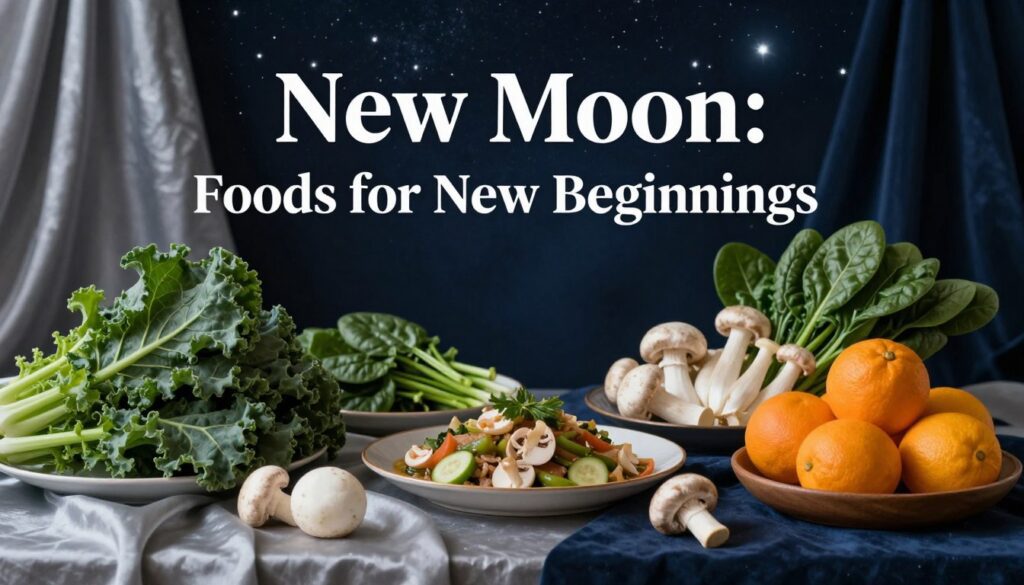
New Moon: Foods for New Beginnings
The new moon is a great time to start fresh and set new goals. It’s perfect for cleaning up our diets and getting in sync with the lunar cycle.
Fresh Fruits and Vegetables
Fresh fruits and veggies are great for the new moon. They’re full of antioxidants, vitamins, and minerals that help clean our bodies. Eating a variety of colorful fruits and veggies boosts our health and supports our new goals.
- Leafy greens like spinach and kale
- Citrus fruits such as oranges and lemons
- Berries, including blueberries and strawberries
Light Protein Options
During the new moon, choose light proteins like tofu, tempeh, and lean poultry. They give our bodies what they need without weighing us down. This keeps our energy up and supports our body’s functions.
- Tofu and tempeh for plant-based protein
- Lean poultry like chicken and turkey
- Fish, focusing on low-mercury types
Hydrating Foods
Staying hydrated is important during the new moon. Foods like cucumbers, watermelon, and celery help keep us hydrated. They also help our body cleanse itself, refreshing us for the next cycle.
Waxing Crescent: Building Energy with Nutrition
The waxing crescent moon is a sign of growing energy. It’s the best time to eat foods full of nutrients. As the moon gets bigger, so does our energy, and we need the right food to support it.
Whole Grains for Sustained Energy
Whole grains give us lasting energy. They are full of complex carbs, fiber, and nutrients. Eating whole grains like brown rice, quinoa, and whole-wheat bread helps keep our energy up all day.
Spinach and Leafy Greens
Spinach and other leafy greens are full of iron, vitamins, and minerals. They help make energy and keep us healthy. Adding them to salads, smoothies, or as a side dish boosts our nutrient intake.
Essentials for Physical Activity
To support physical activity, we need foods high in protein, healthy fats, and complex carbs. Nuts, seeds, avocados, and lean meats are great choices. They give us energy and help our muscles recover.
| Whole Grain | Nutritional Benefits |
|---|---|
| Brown Rice | Rich in manganese, selenium, and magnesium, supporting energy production and antioxidant functions. |
| Quinoa | Complete protein source, rich in iron, magnesium, and fiber, supporting energy and muscle health. |
| Whole-Wheat Bread | High in fiber, supporting digestive health and sustained energy levels. |
First Quarter Moon: Strength and Stamina Foods
During the first quarter moon, we feel more energetic and motivated. It’s the best time to eat foods that boost our strength and stamina. The right foods help us take action and overcome challenges.
Protein-Packed Snacks
Protein is key for muscle repair and energy. Adding protein-rich snacks to our diet keeps us active. Nuts and seeds, Greek yogurt, and hard-boiled eggs are great options. Nutrition experts say,
“A diet rich in protein can significantly enhance physical performance and recovery.”
Healthy Fats for Energy
Healthy fats give us lasting energy. Avocados, olive oil, and fatty fish are tasty and full of good fats. Healthy fats are vital for brain function and can be a great source of energy, a leading nutritionist notes.
Root Vegetables for Vitality
Root vegetables like carrots, beets, and sweet potatoes are full of vitamins and minerals. They have complex carbohydrates that give us sustained energy. Eating these foods supports our bodies during the first quarter moon phase.
As we move through this phase, it’s good to embrace the lunar pathway. Let our eating habits follow the natural cycles around us.
Waxing Gibbous: Embrace Abundance and Flavor
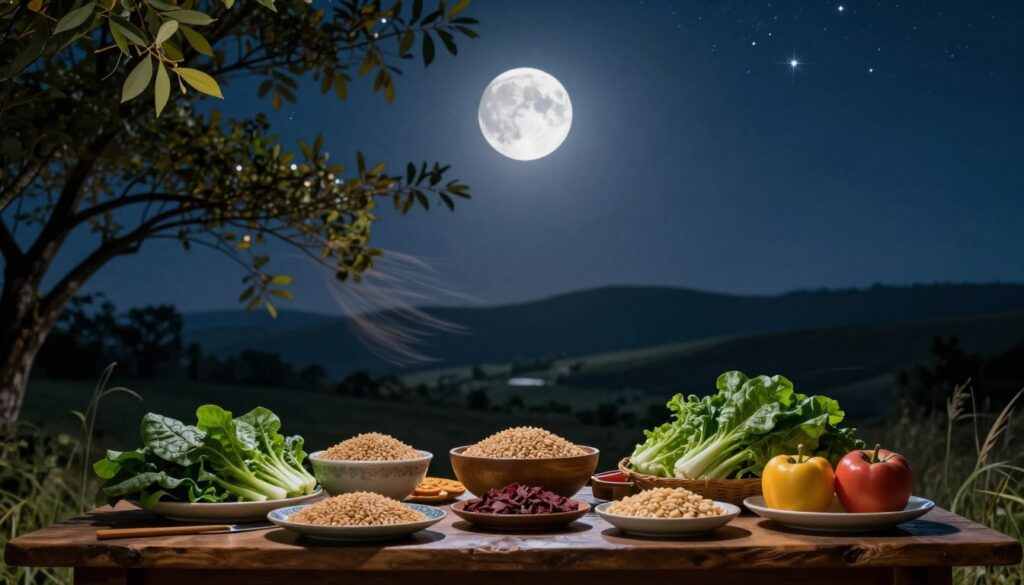
As the moon grows, we enter a time of plenty. It’s perfect for trying new flavors and ingredients. This phase is about getting ready for the full moon by enjoying nature’s bounty.
Seasonal Produce to Enjoy
Now is the time to enjoy apples, pears, and squashes. They taste great and are full of nutrients. You can add them to stews or salads.
Flavorful Herbs and Spices
Herbs like sage, thyme, and spices like cinnamon pair well with our produce. They add flavor and aroma to soups and baked goods.
“The discovery of a new dish does more for human happiness than the discovery of a new star.” – Jean Anthelme Brillat-Savarin
Filling Grains and Legumes
Try quinoa, lentils, and chickpeas for a filling meal. They’re packed with protein and fiber. Use them in salads, stews, or curries.
| Food Category | Examples | Nutritional Benefits |
|---|---|---|
| Seasonal Produce | Apples, Pears, Squashes | Rich in Vitamins, Minerals, and Antioxidants |
| Flavorful Herbs and Spices | Sage, Thyme, Cinnamon | Enhance Flavor, Anti-inflammatory Properties |
| Filling Grains and Legumes | Quinoa, Lentils, Chickpeas | High in Protein, Fiber, and Sustained Energy |
Full Moon: Celebratory Feast Ideas
As the full moon rises, we gather to celebrate with a feast. This lunar phase is full of abundance and vibrancy. It’s the perfect time to enjoy nourishing foods that bring us together.
Indulgent Treats for Sharing
The full moon is a time to enjoy with others. Indulgent treats like chocolate lava cakes or fruit tarts are great. They satisfy our cravings and add luxury to our gatherings.
Try making moon-themed cookies like moon-shaped sugar cookies or lunar-layered brownies. They’re delicious and add fun to your celebration.
Colorful Salads for Vibrancy
A colorful salad brings the full moon’s vibrant energy to your meal. Mix colorful vegetables, fruits, and nuts for a salad that’s both beautiful and nutritious. Ideas include a rainbow quinoa salad or a winter fruit salad with citrus vinaigrette.
| Salad Ingredient | Color | Nutritional Benefit |
|---|---|---|
| Beets | Red | Rich in Vitamins and Minerals |
| Kale | Green | High in Antioxidants |
| Carrots | Orange | Good Source of Vitamin A |
Rejuvenating Beverages
For your feast, serve rejuvenating beverages that taste great and are good for you. Herbal teas like chamomile or peppermint are calming. Fresh juices with seasonal fruits boost energy and vitality.
Make a special cocktail for your full moon gathering. Use lunar-themed ingredients like lemon and ginger for a refreshing taste or berry and mint for a fruity flavor.
Waning Gibbous: Reflective Eating Practices
When the moon is in its waning gibbous phase, we focus on eating in a way that helps us reflect and relax. This time is about letting go of things that don’t serve us anymore. It’s also about clearing out the clutter that weighs us down. Our food choices can help our bodies cleanse and renew themselves.
To match the waning gibbous moon’s energy, we can eat foods that help us think deeply, aid digestion, and calm us down. For more tips on cooking with the moon, check out our guide on moon phase cooking.
Foods for Introspection and Calm
During the waning gibbous phase, eating foods that are good for our mind and body is key. Root vegetables like carrots and beets are great because they’re full of nutrients and help us feel grounded. Fermented foods like kimchi and sauerkraut are also good for our gut health, which affects our mood.
Fiber-Rich Choices for Digestion
Eating foods high in fiber is important for our digestive health, which we focus on during this phase. Legumes like lentils and chickpeas are full of fiber and protein. Adding whole grains like quinoa and brown rice to our meals helps our digestive system stay healthy.
Herbal Teas for Relaxation
Herbal teas are a great way to relax and unwind. In the waning gibbous phase, teas like chamomile and lavender are calming and help quiet our minds. Peppermint tea is also good for digestion and can help reduce stress.
By following these eating practices during the waning gibbous moon, we can connect more deeply with ourselves. Our food choices are important in this journey of letting go and making room for new things.
Last Quarter Moon: Detoxify and Balance
As we reach the Last Quarter Moon, our bodies are ready to detoxify and prepare for the new cycle ahead. This lunar phase is all about release and renewal. It’s the perfect time to focus on cleansing our diets and rejuvenating our bodies.
By making conscious food choices, we can support our overall well-being and align with the lunar cycle’s energy. For more insights into the lunar cycle and its effects, you can explore resources like Banyan Botanicals.
Light and Clean Meals
During this phase, opting for light and clean meals can significantly aid in detoxification. These meals are typically easy to digest. They reduce the body’s energy expenditure on digestion, allowing it to focus on cleansing and renewal.
Incorporating foods like steamed vegetables, broth-based soups, and herbal teas can be very beneficial.
You can also check the current moon phase and its astrological implications on sites like New Moon Reading Online to better plan your meals.
Green Smoothies for Nutrients
Green smoothies are an excellent way to pack nutrients into your diet while keeping things light and easy to digest. Ingredients like spinach, kale, and green apples provide essential vitamins and minerals. They also support the body’s natural detox processes.
Adding a squeeze of lemon or a handful of fresh mint can enhance the flavor and nutritional benefits.
Foods to Avoid for Cleansing
To maximize the detoxifying effects of the Last Quarter Moon, it’s equally important to know which foods to avoid. Heavy, rich, or processed foods can hinder the body’s ability to cleanse and renew itself. Limiting or avoiding foods high in sugar, salt, and unhealthy fats can help maintain a balanced and clean diet during this phase.
Waning Crescent: Preparation for Renewal
When the moon is in its waning crescent phase, our bodies start to renew themselves. This time is all about rest and getting ready for new beginnings. What we eat plays a big role in this process.
It’s good to eat foods that help us relax and feel at ease during this phase. These foods calm our minds and bodies, getting us ready for the next lunar cycle.
Foods That Promote Rest
Foods high in magnesium and potassium help us relax. Eating bananas, almonds, and leafy greens can be very helpful. These foods calm our nervous system, helping us rest better.
Some recommended foods for rest include:
- Bananas
- Almonds
- Leafy greens like spinach and kale
Slow-Cooked Dishes for Comfort
Slow-cooked meals are comforting and easy to digest. They’re perfect for the waning crescent phase. Stews and soups warm us up and give us the nourishment we need.
Try making slow-cooked dishes with chicken, veggies, and legumes. They’re comforting and full of nutrients.
Simple Grains for Subtle Energy
Grains like rice, oats, and quinoa give us gentle energy. They’re easy to make and can be part of many meals.
Pairing these grains with veggies or lean proteins makes balanced meals. They help us stay energized during the waning crescent phase.
Seasonal Foods in Harmony with the Moon
Eating seasonally is a natural part of moon phase eating. It lets us enjoy better flavors and support local farmers. This way, we also reduce our environmental impact.
Eating seasonally is more than just taste. It connects us with nature. When we eat in season, we get the most nutritious food. The moon’s phases help us plan meals and use the best produce.
Local Produce Choices
Choosing local produce is key to seasonal eating. It supports local economies and ensures our food is fresh and healthy. Local produce has a lower carbon footprint because it doesn’t travel far.
- Freshness: Local produce is picked at its peak, making it taste better and be more nutritious.
- Variety: Eating locally encourages us to try new foods, adding variety to our diets.
- Community Support: Buying local supports local farmers and boosts the local economy.
For more on lunar-inspired recipes, check out this guide.
Preserving and Fermenting Techniques
Preserving and fermenting help us enjoy seasonal foods all year. These methods keep the flavors and nutrients of seasonal produce. Some popular methods include:
- Canning: A way to preserve fruits and vegetables in airtight jars.
- Freezing: Freezing keeps nutrients in foods and is good for many fruits and vegetables.
- Fermenting: Fermentation preserves food and boosts its nutritional value by creating probiotics.
Benefits of Seasonal Eating
Eating seasonally has many benefits, like better nutrition and environmental sustainability. By eating in sync with the lunar cycle and choosing seasonal foods, we adopt a holistic diet. Some benefits include:
- Enhanced Nutrition: Seasonal produce is more nutritious because it’s eaten at its peak.
- Environmental Benefits: Choosing local and seasonal reduces demand for intensive farming.
- Cost-Effective: Seasonal produce is often cheaper because it’s more abundant.
For more on how the moon affects gardening, check out this resource.
Conclusion: Embracing the Cosmic Culinary Experience
Exploring the link between lunar cycles and food shows us a better way to eat. It helps us connect more with nature and our bodies. By following lunar-inspired eating, we learn more about ourselves and the world.
Nourishing Body and Soul
Lunar astrology food is not just a diet. It’s a way to listen to the natural rhythms in our lives. By picking foods that match the moon’s phases, we boost our health. We create a menu that feeds both our bodies and souls.
Mindful Eating for a Balanced Life
Adding lunar-inspired eating to our lives makes us more aware of what we eat. This awareness helps us choose better foods. It leads to a healthier and more balanced relationship with food.
Exploring Lunar Recipes
We encourage you to try lunar recipes and enjoy cooking with the moon’s cycles. This way, you’ll not only improve your cooking but also grow closer to nature.
[…] journal can be incredibly helpful. Tracking energy levels throughout the different phases of the moon allows us to recognize…
[…] Reading is a new platform that offers personalized insights based on the lunar cycle1. It’s different from generic horoscopes,…
[…] As we set intentions aligned with the New Moon energy, we open ourselves to the power of manifestation. By…
[…] intentions during the new moon is a powerful practice that allows me to declare my goals and aspirations. It…
[…] These readings provide a convenient and accessible way to connect with the energies of the new moon and gain…